8-K
0001850270false00018502702026-11-092026-11-09
UNITED STATES
SECURITIES AND EXCHANGE COMMISSION
WASHINGTON, D.C. 20549
FORM 8-K
CURRENT REPORT
Pursuant to Section 13 or 15(d) of the Securities Exchange Act of 1934
|
Date of Report (Date of earliest event reported): November 09, 2026 |
PROKIDNEY CORP.
(Exact name of Registrant as Specified in Its Charter)
|
|
|
|
|
Delaware |
001-40560 |
98-1586514 |
(State or Other Jurisdiction
of Incorporation) |
(Commission File Number) |
(IRS Employer
Identification No.) |
|
|
|
|
|
2000 Frontis Plaza Blvd. Suite 250 |
|
Winston-Salem, North Carolina |
|
27103 |
(Address of Principal Executive Offices) |
|
(Zip Code) |
|
Registrant’s Telephone Number, Including Area Code: 336 999-7019 |
(Former Name or Former Address, if Changed Since Last Report)
Check the appropriate box below if the Form 8-K filing is intended to simultaneously satisfy the filing obligation of the registrant under any of the following provisions:
☐Written communications pursuant to Rule 425 under the Securities Act (17 CFR 230.425)
☐Soliciting material pursuant to Rule 14a-12 under the Exchange Act (17 CFR 240.14a-12)
☐Pre-commencement communications pursuant to Rule 14d-2(b) under the Exchange Act (17 CFR 240.14d-2(b))
☐Pre-commencement communications pursuant to Rule 13e-4(c) under the Exchange Act (17 CFR 240.13e-4(c))
Securities registered pursuant to Section 12(b) of the Act:
|
|
|
|
|
Title of each class
|
|
Trading
Symbol(s) |
|
Name of each exchange on which registered
|
Class A common stock, $0.0001 par value per share |
|
PROK |
|
The Nasdaq Stock Market |
Indicate by check mark whether the registrant is an emerging growth company as defined in Rule 405 of the Securities Act of 1933 (§ 230.405 of this chapter) or Rule 12b-2 of the Securities Exchange Act of 1934 (§ 240.12b-2 of this chapter).
Emerging growth company ☒
If an emerging growth company, indicate by check mark if the registrant has elected not to use the extended transition period for complying with any new or revised financial accounting standards provided pursuant to Section 13(a) of the Exchange Act. ☐
Item 2.02 Results of Operations and Financial Condition.
The Company's cash and cash equivalents and marketable securities as of September 30, 2026 was $141.9 million.
Item 7.01 Regulation FD Disclosure.
ProKidney Corp. (the “Company”) has updated its investor presentation (the “Presentation”), which its senior management intends to use from time to time when interacting with investors and analysts, among others. The Presentation is available on the Company’s website at https://investors.prokidney.com/news-events/events-and-presentations. The Presentation is also attached hereto as Exhibit 99.1.
The information in this Item 7.01, including Exhibit 99.1 attached hereto, is being furnished, not filed, pursuant to Regulation FD. Accordingly, the information in this Item 7.01 and Exhibit 99.1 of this report will not be incorporated by reference into any registration statement filed by the Company under the Securities Act of 1933, as amended, unless specifically identified therein as being incorporated therein by reference. The furnishing of the information in this Item 7.01 and Exhibit 99.1 is not intended to, and does not, constitute a determination or admission by the Company that the information in this report is material or complete, or that investors should consider this information before making an investment decision with respect to any security of the Company or any of its affiliates.
Item 8.01 Other Events.
The information in Item 2.02 above is incorporated by reference into this Item 8.01.
Item 9.01 Financial Statements and Exhibits.
(d) Exhibits
|
|
|
|
Exhibit No. |
Description |
99.1 |
Investor Presentation |
104 |
Cover Page Interactive Data File (embedded within Inline XBRL document) |
SIGNATURES
Pursuant to the requirements of the Securities Exchange Act of 1934, the registrant has duly caused this report to be signed on its behalf by the undersigned hereunto duly authorized.
|
|
|
|
|
|
|
PROKIDNEY CORP. |
|
|
|
|
Date: |
November 9, 2026 |
By: |
/s/ James Coulston |
|
|
|
Chief Financial Officer |
Redefining What's Possible �in the Treatment of Chronic Kidney Disease Preserving Kidney Function in Patients �at High Risk of Kidney Failure Corporate Presentation November 2026 Exhibit 99.1
This presentation includes “forward-looking statements” within the meaning of the “safe harbor” provisions of the Private Securities Litigation Reform Act of 1995. ProKidney’s actual results may differ from its expectations, estimates and projections and consequently, you should not rely on these forward-looking statements as predictions of future events. Words such as “expect,” “estimate,” “project,” “budget,” “forecast,” “anticipate,” “intend,” “plan,” “may,” “will,” “could,” “should,” “believes,” “predicts,” “potential,” “continue,” and similar expressions (or the negative versions of such words or expressions) are intended to identify such forward-looking statements. These forward-looking statements include, without limitation, the achievement and timing of the topline data readout of the Company’s PROACT 1 trial and other milestones provided, the Company’s beliefs that its Phase 3 REGEN-006 (PROACT 1) trial could be sufficient to support a potential BLA submission and full regulatory approval, eGFR slope can be used as a surrogate endpoint on an accelerated approval pathway for rilparencel, expectations with respect to financial results and expected cash runway, including the Company’s expectation that current cash will support operating plans into mid-2027, future performance, development, manufacturing, and commercialization of products, if approved, the potential benefits and impact of the Company’s products, if approved, potential regulatory approvals, the size and potential growth of current or future markets for the Company’s products, if approved, the advancement of the Company’s development programs into and through the clinic and the expected timing for reporting data, the making of regulatory filings or achieving other milestones related to the Company’s product candidates, and the advancement and funding of the Company’s developmental programs, generally. These statements are based on current expectations and assumptions that involve a number of uncertainties and risks. Such uncertainties and risks include, but are not limited to, risks associated with: disruptions to our business or that may otherwise materially harm our results of operations or financial condition as a result of our recent domestication to the United States; the inability to maintain the listing of the Company’s Class A common stock on Nasdaq; the inability of the Company’s Class A common stock to remain included in various indices and the potential negative impact on the trading price of the Class A common stock if excluded from such indices; the inability to implement business plans, forecasts, and other expectations or identify and realize additional opportunities, which may be affected by, among other things, competition and the ability of the Company to grow and manage growth profitably and retain its key employees; the risk of downturns and a changing regulatory landscape in the highly competitive biotechnology industry; the risk that results of the Company’s clinical trials may not support approval; the risk that the FDA could require additional studies before approving the Company’s drug candidates; the Company’s need for additional financing and the inability of the Company to raise financing in the future; the inability of the Company to obtain and maintain regulatory clearance or approval for its products, and any related restrictions and limitations of any cleared or approved product; the inability of the Company to identify, in-license or acquire additional technology; the inability of Company to compete with other companies currently marketing or engaged in the biologics market and in the area of treatment of kidney diseases; the size and growth potential of the markets for the Company’s products, if approved, and its ability to serve those markets, either alone or in partnership with others; the Company’s estimates regarding expenses, future revenue, capital requirements and needs for additional financing; the Company’s financial performance; the Company’s intellectual property rights; uncertainties inherent in cell therapy research and development, including the actual time it takes to initiate and complete clinical studies and the timing and content of decisions made by regulatory authorities; the fact that interim results from our clinical programs may not be indicative of future results; the impact of geo-political conflict on the Company’s business; and other risks and uncertainties included under the heading “Risk Factors” in the Company’s most recent Annual Report on Form 10-K, subsequent Quarterly Reports on Form 10-Q and other filings with the Securities and Exchange Commission. The Company cautions readers that the foregoing list of factors is not exclusive and cautions readers not to place undue reliance upon any forward-looking statements, which speak only as of the date made. The Company does not undertake or accept any obligation or undertaking to release publicly any updates or revisions to any forward-looking statements to reflect any change in its expectations or any change in events, conditions or circumstances on which any such statement is based. Forward-looking Statements
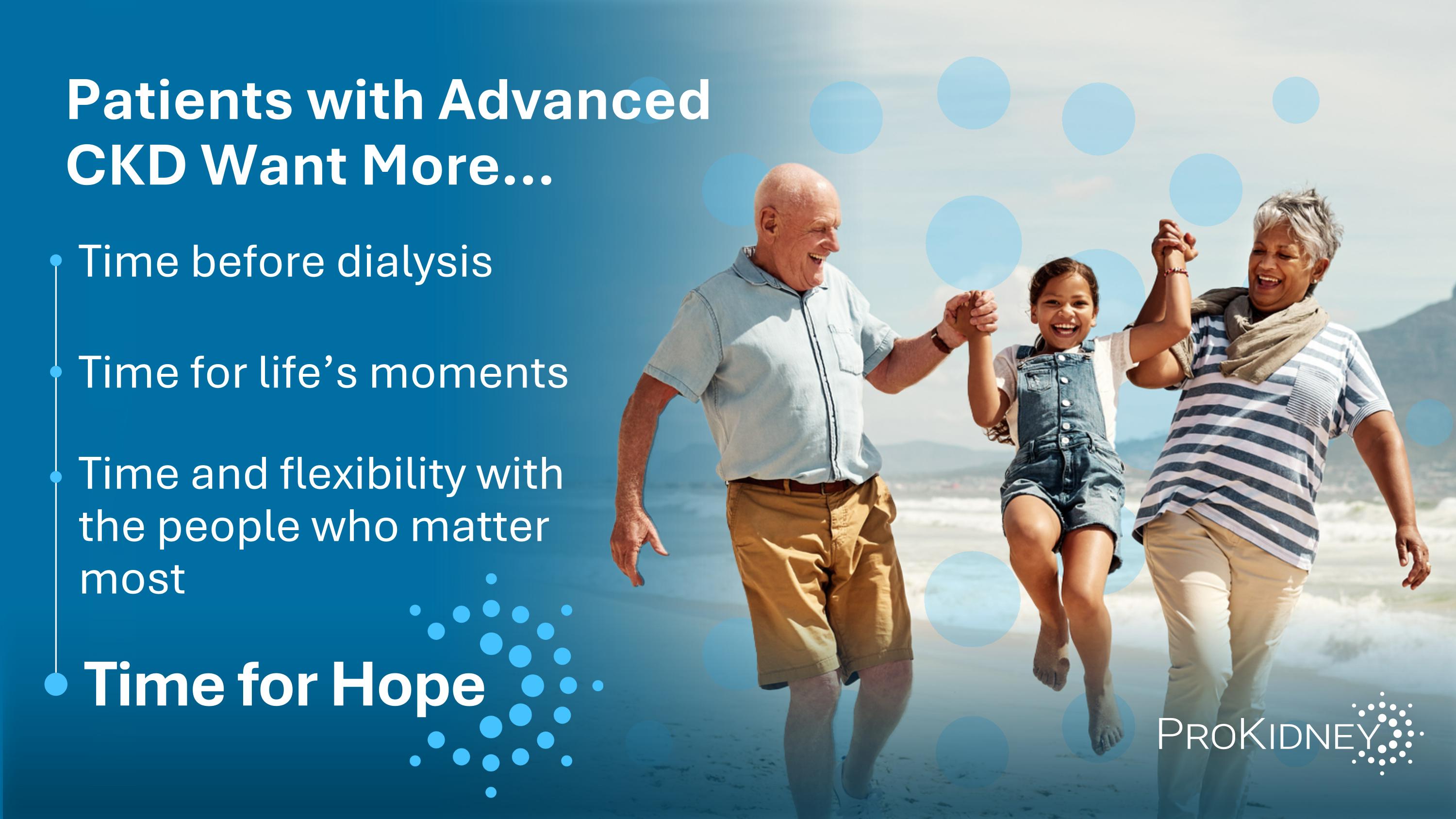
Patients with Advanced CKD Want More... Time before dialysis Time for life’s moments Time and flexibility with the people who matter most Time for Hope
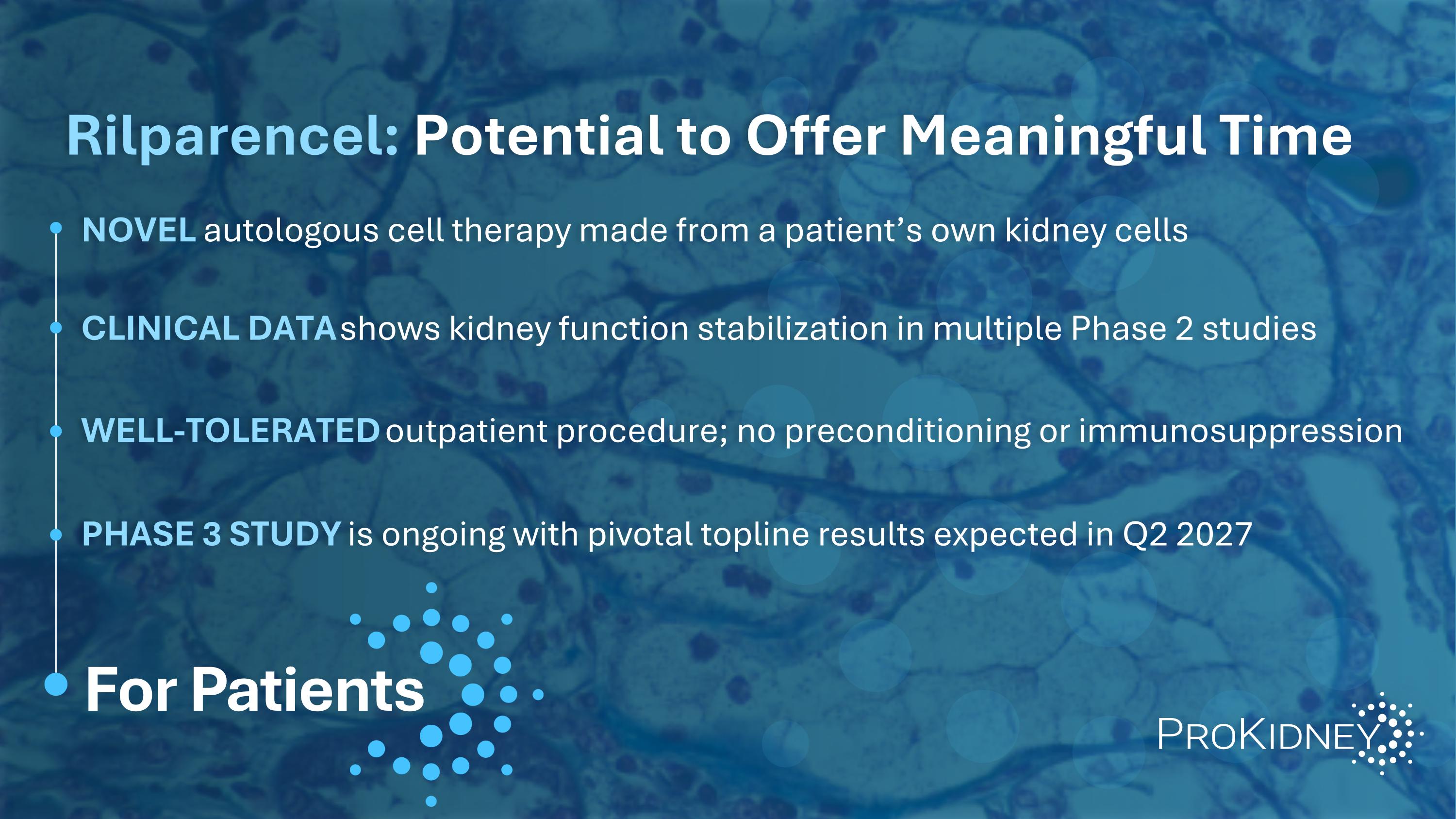
Rilparencel: Potential to Offer Meaningful Time NOVEL autologous cell therapy made from a patient’s own kidney cells CLINICAL DATA shows kidney function stabilization in multiple Phase 2 studies WELL-TOLERATED outpatient procedure; no preconditioning or immunosuppression PHASE 3 STUDY is ongoing with pivotal topline results expected in Q2 2027 For Patients
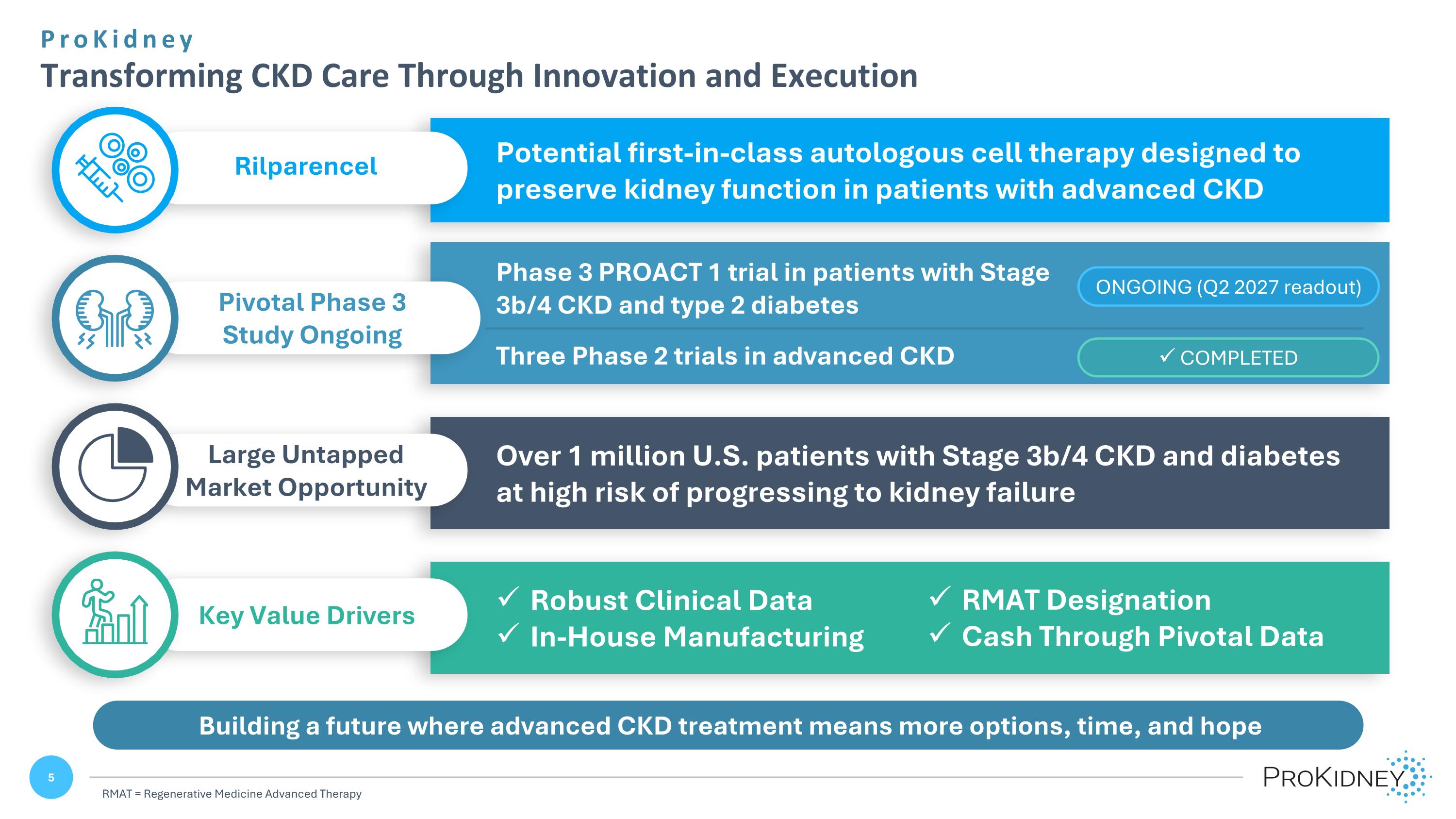
ProKidney �Transforming CKD Care Through Innovation and Execution Building a future where advanced CKD treatment means more options, time, and hope Potential first-in-class autologous cell therapy designed to preserve kidney function in patients with advanced CKD Rilparencel Robust Clinical Data In-House Manufacturing Key Value Drivers RMAT Designation Cash Through Pivotal Data Phase 3 PROACT 1 trial in patients with Stage�3b/4 CKD and type 2 diabetes Three Phase 2 trials in advanced CKD Pivotal Phase 3 Study Ongoing COMPLETED ONGOING (Q2 2027 readout) Over 1 million U.S. patients with Stage 3b/4 CKD and diabetes at high risk of progressing to kidney failure Large Untapped Market Opportunity RMAT = Regenerative Medicine Advanced Therapy
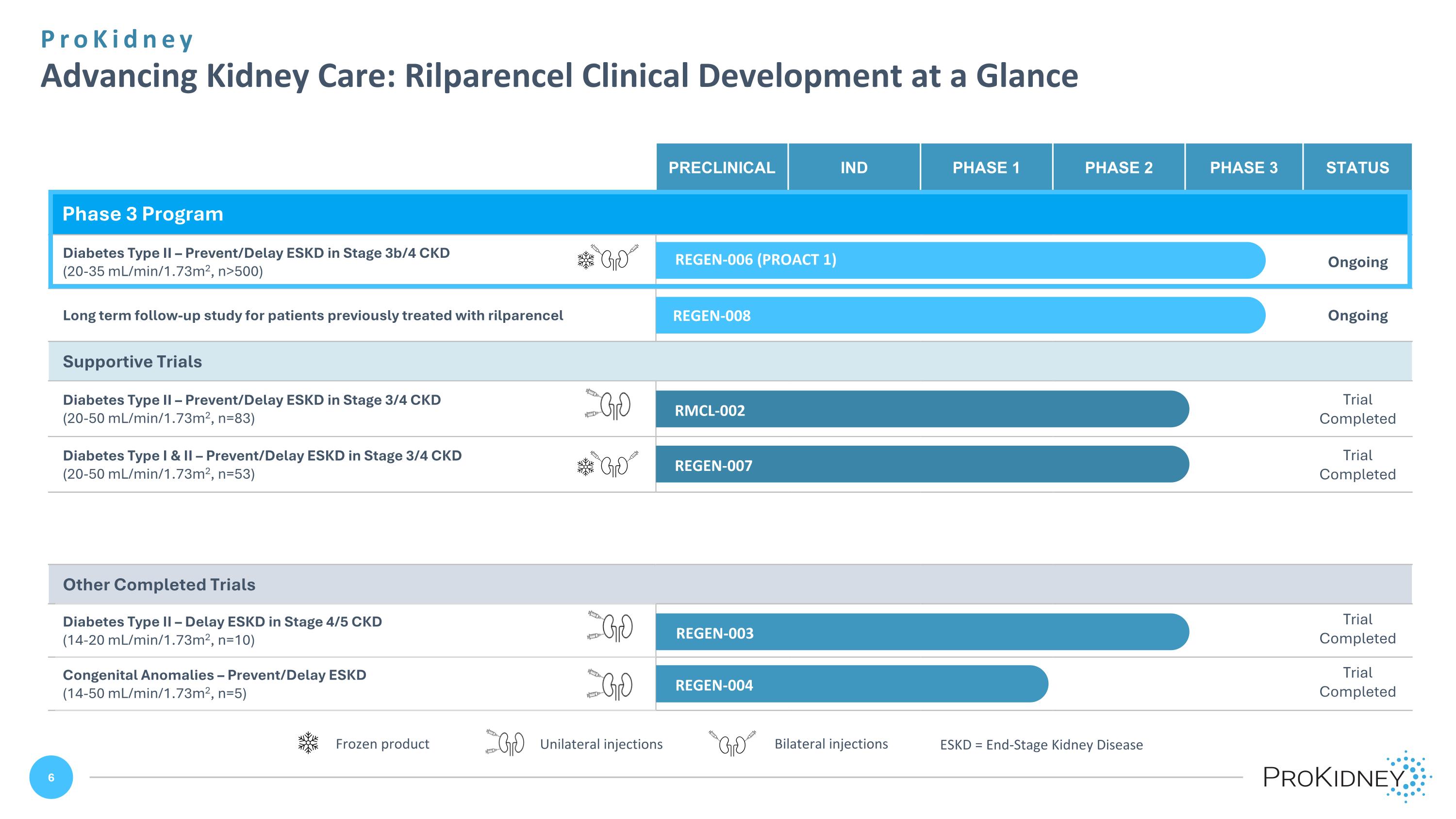
ProKidney �Advancing Kidney Care: Rilparencel Clinical Development at a Glance PRECLINICAL IND PHASE 1 PHASE 2 PHASE 3 STATUS Phase 3 Program Diabetes Type II – Prevent/Delay ESKD in Stage 3b/4 CKD (20-35 mL/min/1.73m2, n>500) Ongoing Long term follow-up study for patients previously treated with rilparencel Ongoing Supportive Trials Diabetes Type II – Prevent/Delay ESKD in Stage 3/4 CKD�(20-50 mL/min/1.73m2, n=83) Trial Completed Diabetes Type I & II – Prevent/Delay ESKD in Stage 3/4 CKD�(20-50 mL/min/1.73m2, n=53) Trial Completed Other Completed Trials Diabetes Type II – Delay ESKD in Stage 4/5 CKD�(14-20 mL/min/1.73m2, n=10) Trial �Completed Congenital Anomalies – Prevent/Delay ESKD (14-50 mL/min/1.73m2, n=5) Trial Completed REGEN-008 REGEN-003 RMCL-002 REGEN-007 REGEN-004 Unilateral injections Bilateral injections Frozen product ESKD = End-Stage Kidney Disease REGEN-006 (PROACT 1)
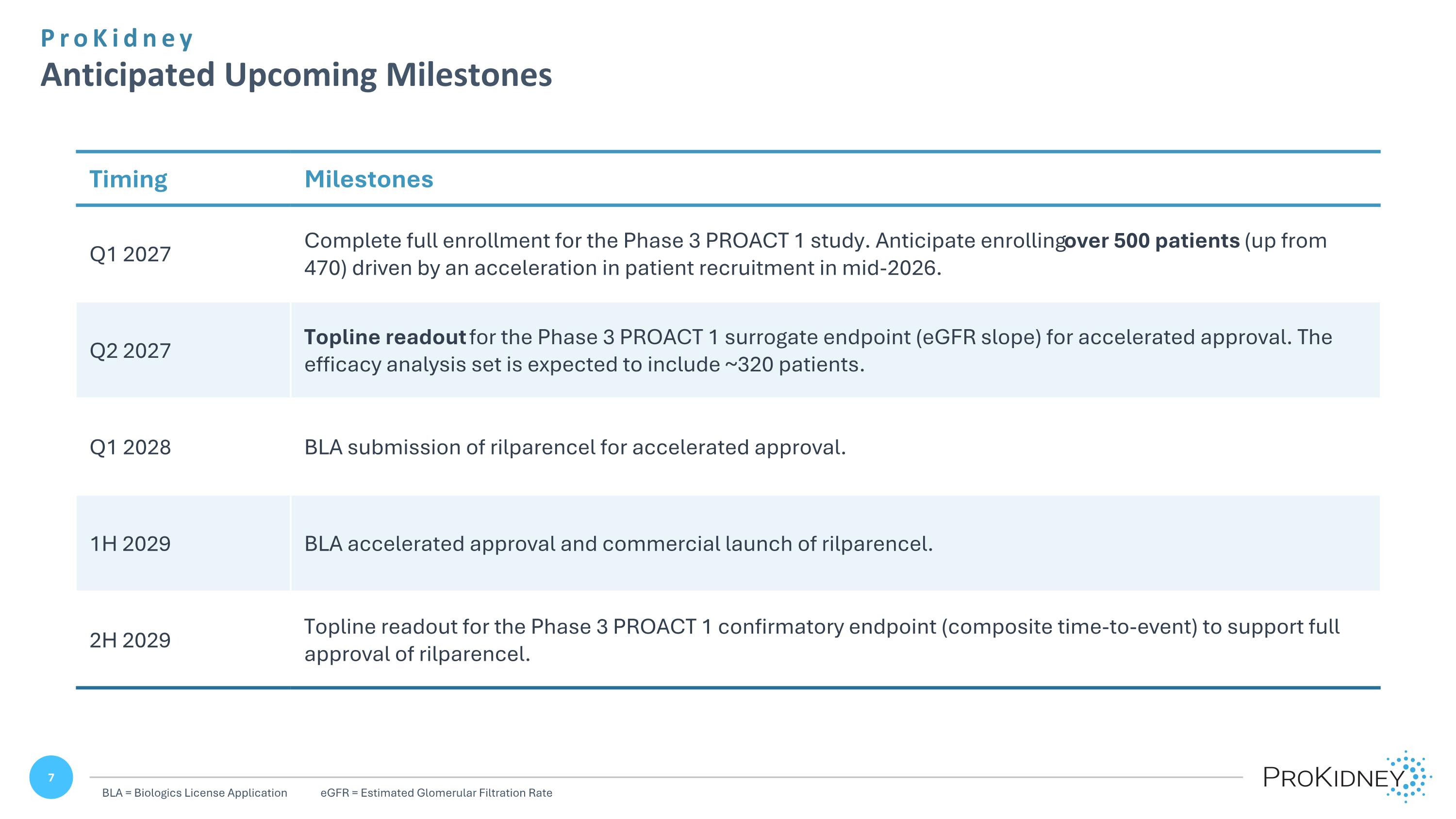
ProKidney �Anticipated Upcoming Milestones BLA = Biologics License Application eGFR = Estimated Glomerular Filtration Rate Timing Milestones Q1 2027 Complete full enrollment for the Phase 3 PROACT 1 study. Anticipate enrolling over 500 patients (up from 470) driven by an acceleration in patient recruitment in mid-2026. Q2 2027 Topline readout for the Phase 3 PROACT 1 surrogate endpoint (eGFR slope) for accelerated approval. The efficacy analysis set is expected to include ~320 patients. Q1 2028 BLA submission of rilparencel for accelerated approval. 1H 2029 BLA accelerated approval and commercial launch of rilparencel. 2H 2029 Topline readout for the Phase 3 PROACT 1 confirmatory endpoint (composite time-to-event) to support full approval of rilparencel.
ADVANCED CHRONIC KIDNEY DISEASE Unmet Need and Limitations with Standard of Care
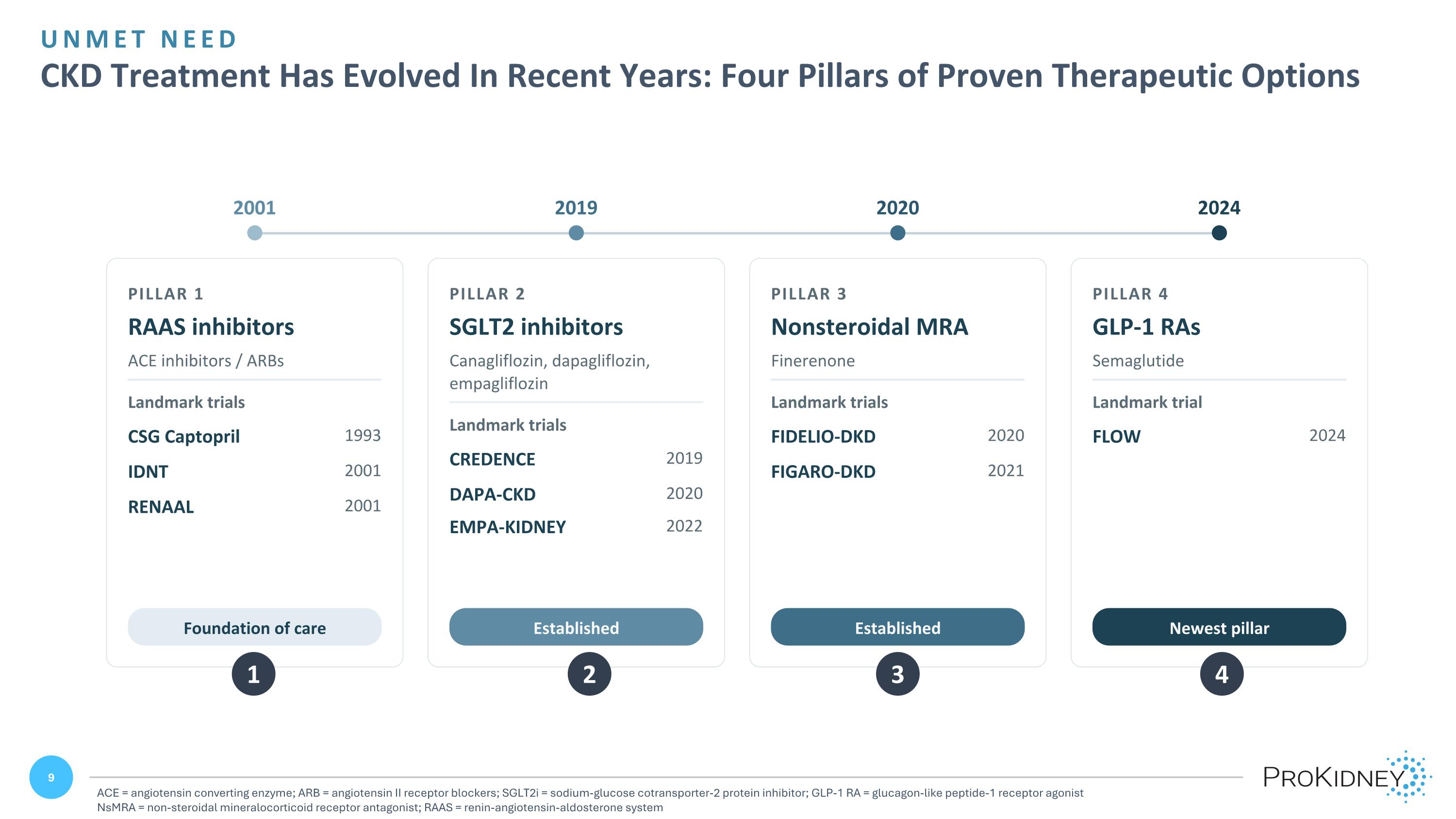
UNMET NEED �CKD Treatment Has Evolved In Recent Years: Four Pillars of Proven Therapeutic Options 2001 2019 2020 2024 PILLAR 1 RAAS inhibitors ACE inhibitors / ARBs Landmark trials CSG Captopril 1993 IDNT 2001 RENAAL 2001 Foundation of care PILLAR 2 SGLT2 inhibitors Canagliflozin, dapagliflozin, empagliflozin Landmark trials CREDENCE 2019 DAPA-CKD 2020 EMPA-KIDNEY 2022 Established PILLAR 3 Nonsteroidal MRA Finerenone Landmark trials FIDELIO-DKD 2020 FIGARO-DKD 2021 Established PILLAR 4 GLP-1 RAs Semaglutide Landmark trial FLOW 2024 Newest pillar 2 1 4 3 ACE = angiotensin converting enzyme; ARB = angiotensin II receptor blockers; SGLT2i = sodium-glucose cotransporter-2 protein inhibitor; GLP-1 RA = glucagon-like peptide-1 receptor agonist NsMRA = non-steroidal mineralocorticoid receptor antagonist; RAAS = renin-angiotensin-aldosterone system
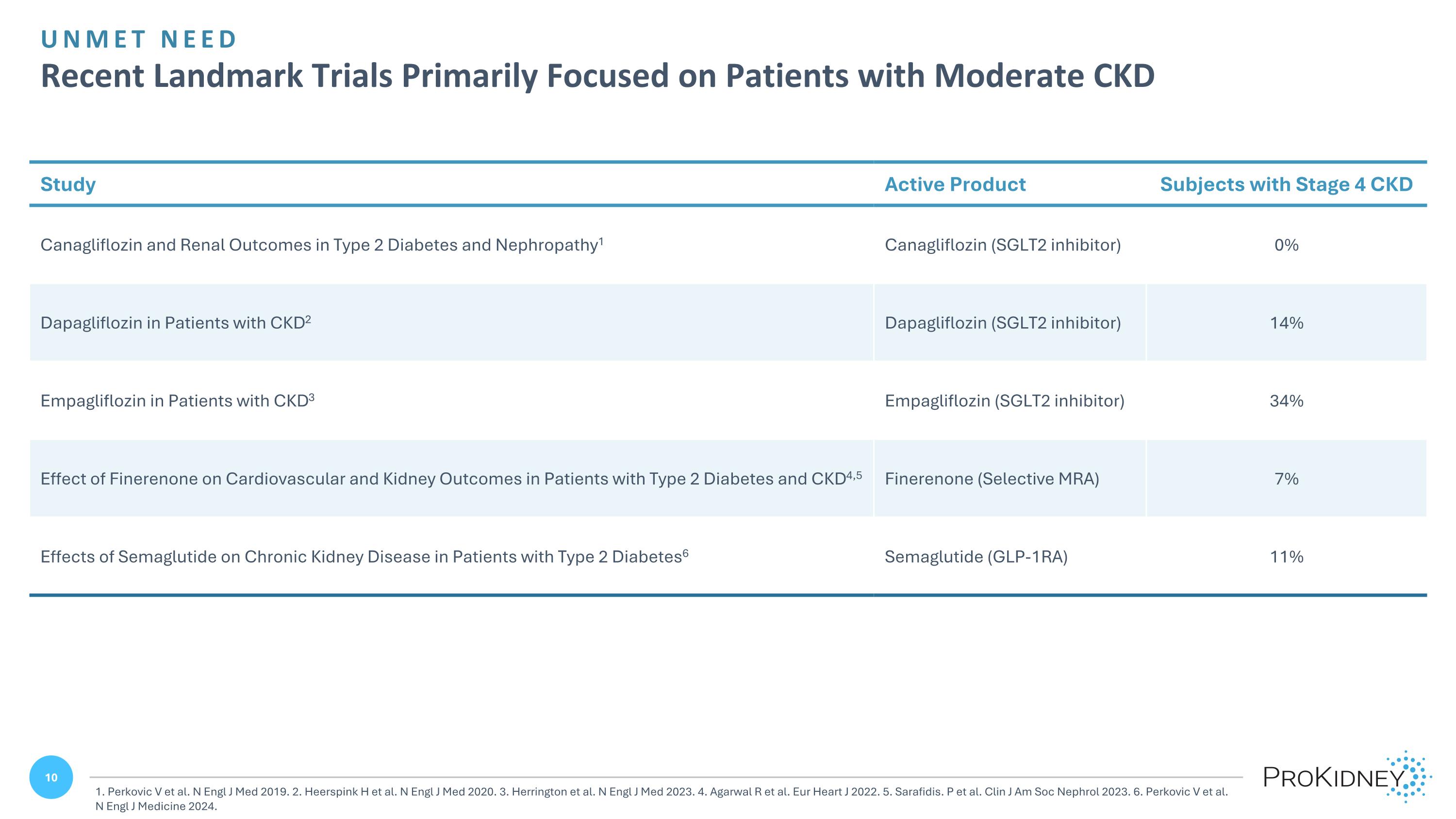
Study Active Product Subjects with Stage 4 CKD Canagliflozin and Renal Outcomes in Type 2 Diabetes and Nephropathy1 Canagliflozin (SGLT2 inhibitor) 0% Dapagliflozin in Patients with CKD2 Dapagliflozin (SGLT2 inhibitor) 14% Empagliflozin in Patients with CKD3 Empagliflozin (SGLT2 inhibitor) 34% Effect of Finerenone on Cardiovascular and Kidney Outcomes in Patients with Type 2 Diabetes and CKD4,5 Finerenone (Selective MRA) 7% Effects of Semaglutide on Chronic Kidney Disease in Patients with Type 2 Diabetes6 Semaglutide (GLP-1RA) 11% 1. Perkovic V et al. N Engl J Med 2019. 2. Heerspink H et al. N Engl J Med 2020. 3. Herrington et al. N Engl J Med 2023. 4. Agarwal R et al. Eur Heart J 2022. 5. Sarafidis. P et al. Clin J Am Soc Nephrol 2023. 6. Perkovic V et al. N Engl J Medicine 2024. UNMET NEED �Recent Landmark Trials Primarily Focused on Patients with Moderate CKD
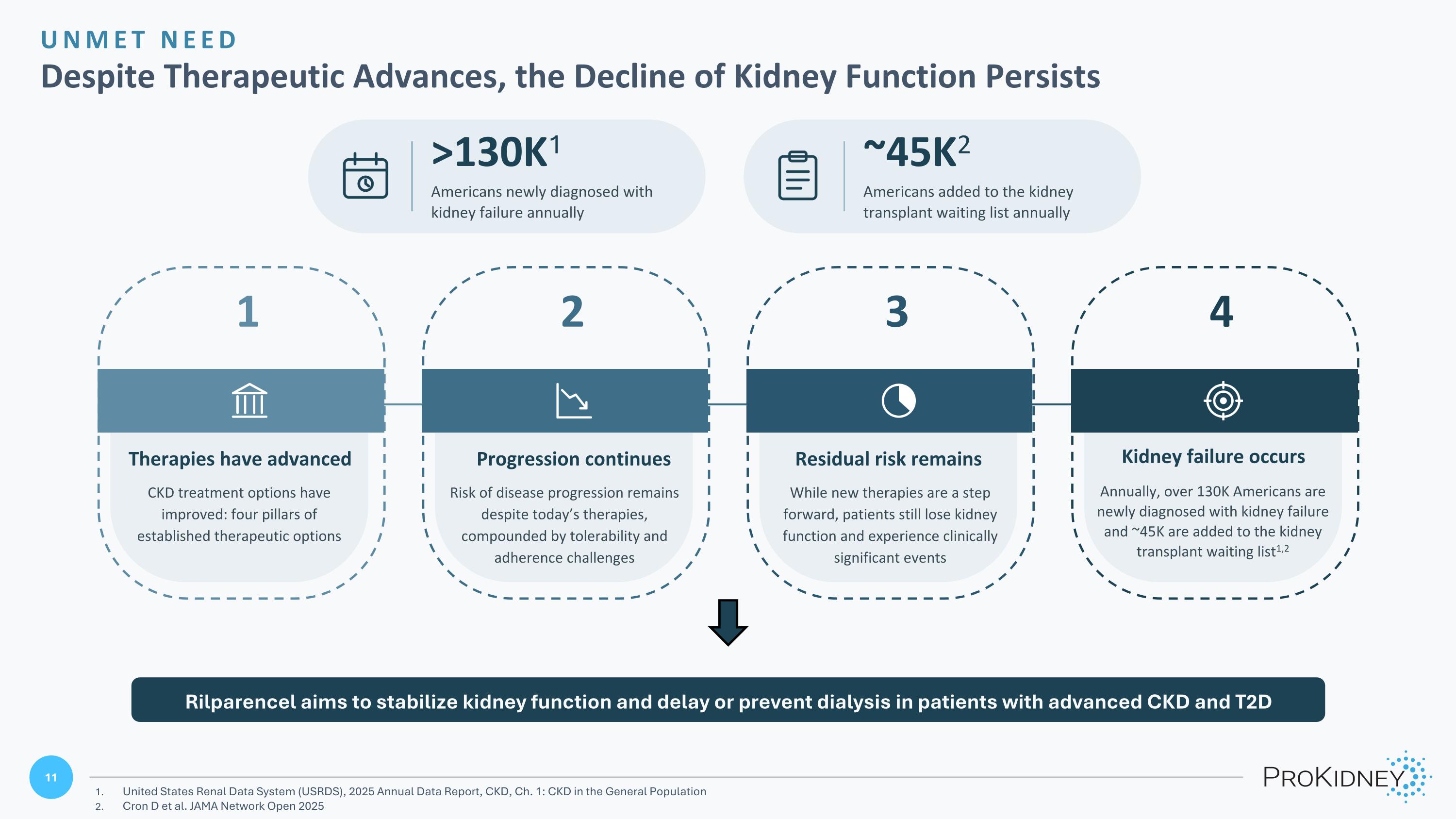
>130K1 Americans newly diagnosed with kidney failure annually ~45K2 Americans added to the kidney transplant waiting list annually 1 Therapies have advanced 2 Progression continues 3 Residual risk remains 4 Kidney failure occurs Rilparencel aims to stabilize kidney function and delay or prevent dialysis in patients with advanced CKD and T2D CKD treatment options have improved: four pillars of established therapeutic options While new therapies are a step forward, patients still lose kidney function and experience clinically significant events Risk of disease progression remains despite today’s therapies, compounded by tolerability and adherence challenges UNMET NEED �Despite Therapeutic Advances, the Decline of Kidney Function Persists United States Renal Data System (USRDS), 2025 Annual Data Report, CKD, Ch. 1: CKD in the General Population Cron D et al. JAMA Network Open 2025 Annually, over 130K Americans are newly diagnosed with kidney failure and ~45K are added to the kidney transplant waiting list1,2

RILPARENCEL RENAL AUTOLOGOUS CELL THERAPY Transforming the Chronic Kidney Disease Treatment Landscape
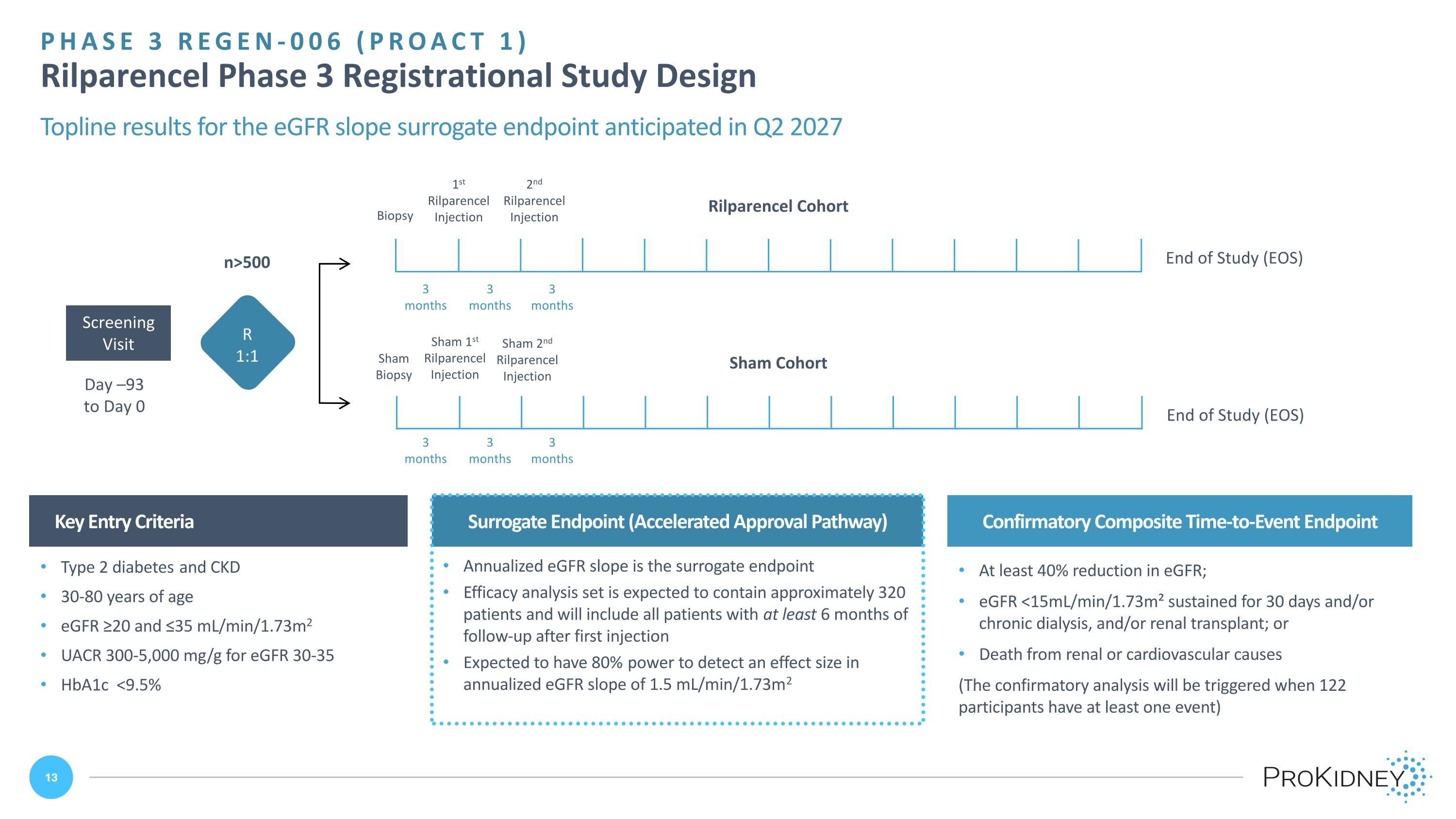
Day –93 �to Day 0 Screening�Visit Sham Cohort Sham 1st Rilparencel Injection Sham 2nd Rilparencel Injection Sham Biopsy End of Study (EOS) 1st Rilparencel Injection 2nd Rilparencel Injection Biopsy End of Study (EOS) PHASE 3 REGEN-006 (PROACT 1)�Rilparencel Phase 3 Registrational Study Design Topline results for the eGFR slope surrogate endpoint anticipated in Q2 2027 Key Entry Criteria Confirmatory Composite Time-to-Event Endpoint Type 2 diabetes and CKD 30-80 years of age eGFR ≥20 and ≤35 mL/min/1.73m2 UACR 300-5,000 mg/g for eGFR 30-35 HbA1c <9.5% 3 months 3 months 3 months 3 months R 1:1 Surrogate Endpoint (Accelerated Approval Pathway) Annualized eGFR slope is the surrogate endpoint Efficacy analysis set is expected to contain approximately 320 patients and will include all patients with at least 6 months of follow-up after first injection Expected to have 80% power to detect an effect size in annualized eGFR slope of 1.5 mL/min/1.73m2 3 months 3 months At least 40% reduction in eGFR; eGFR <15mL/min/1.73m² sustained for 30 days and/or chronic dialysis, and/or renal transplant; or Death from renal or cardiovascular causes (The confirmatory analysis will be triggered when 122 participants have at least one event) Rilparencel Cohort n>500
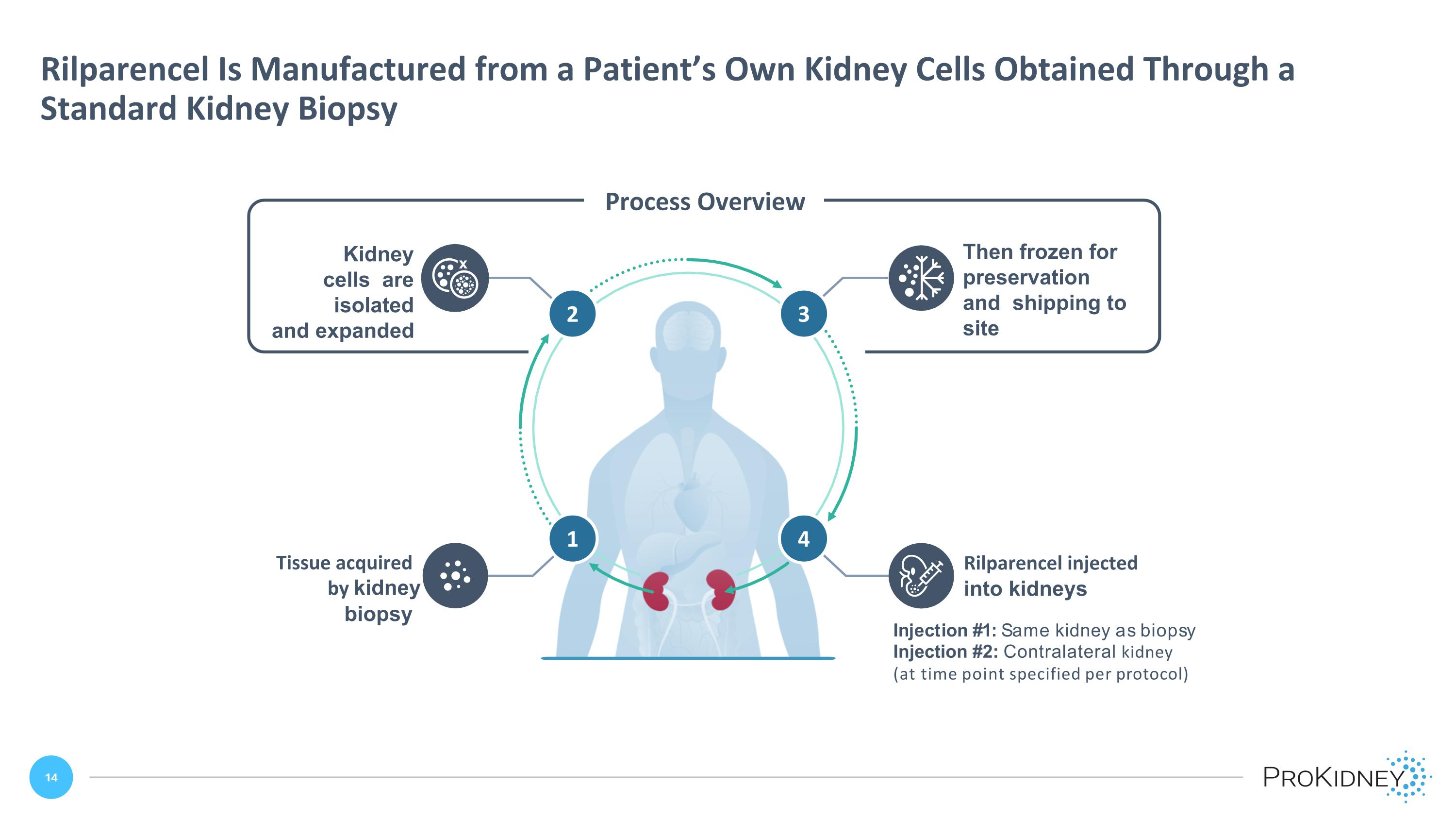
Rilparencel Is Manufactured from a Patient’s Own Kidney Cells Obtained Through a Standard Kidney Biopsy Then frozen for preservation and shipping to site Kidney cells are isolated and expanded Tissue acquired by kidney biopsy Rilparencel injected into kidneys Injection #1: Same kidney as biopsy Injection #2: Contralateral kidney �(at time point specified per protocol) Process Overview 4 2 3 1 2 3 4 x
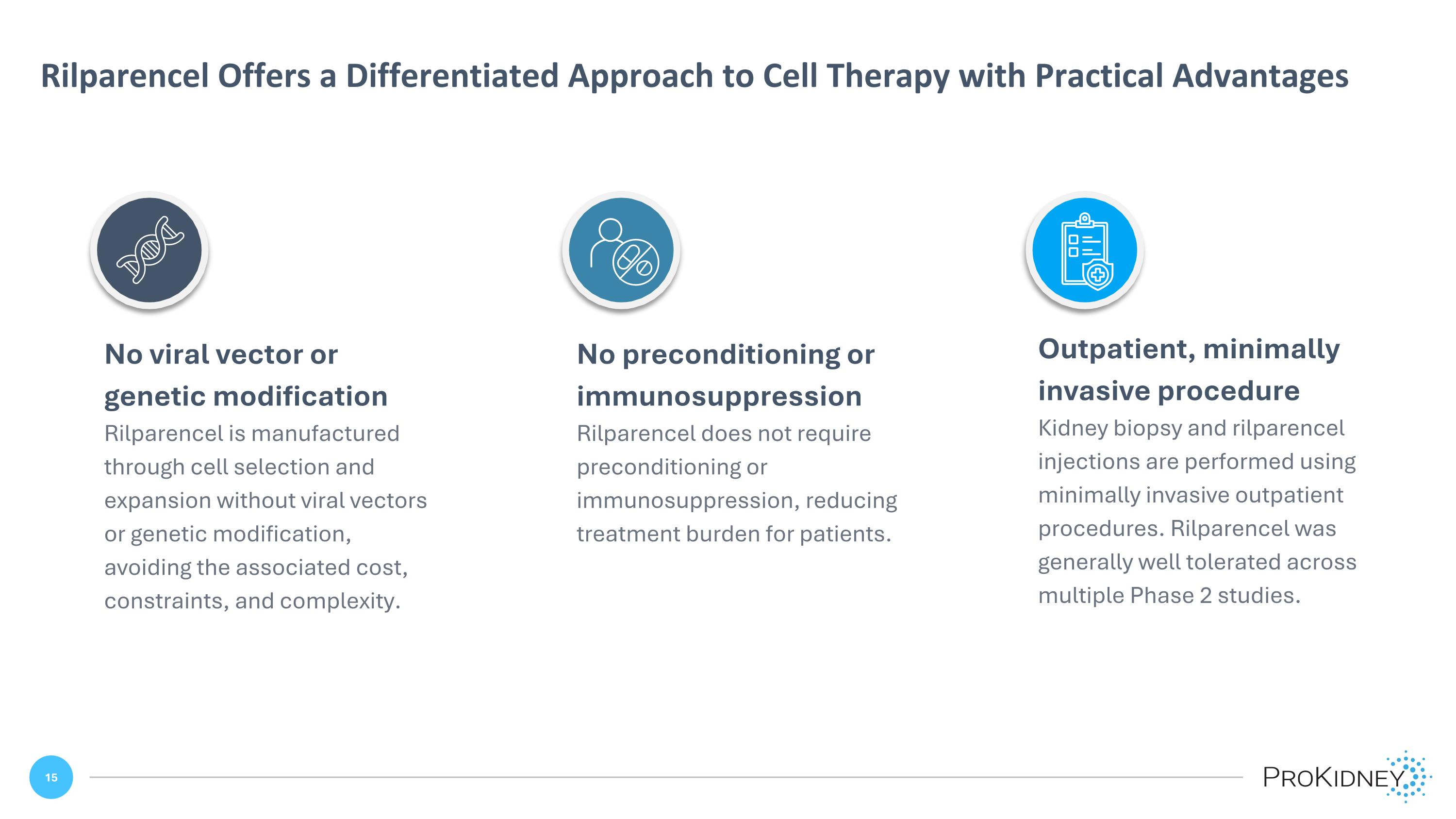
Rilparencel Offers a Differentiated Approach to Cell Therapy with Practical Advantages Outpatient, minimally invasive procedure Kidney biopsy and rilparencel injections are performed using minimally invasive outpatient procedures. Rilparencel was generally well tolerated across multiple Phase 2 studies. No viral vector or genetic modification Rilparencel is manufactured through cell selection and expansion without viral vectors or genetic modification, avoiding the associated cost, constraints, and complexity. No preconditioning or immunosuppression Rilparencel does not require preconditioning or immunosuppression, reducing treatment burden for patients.
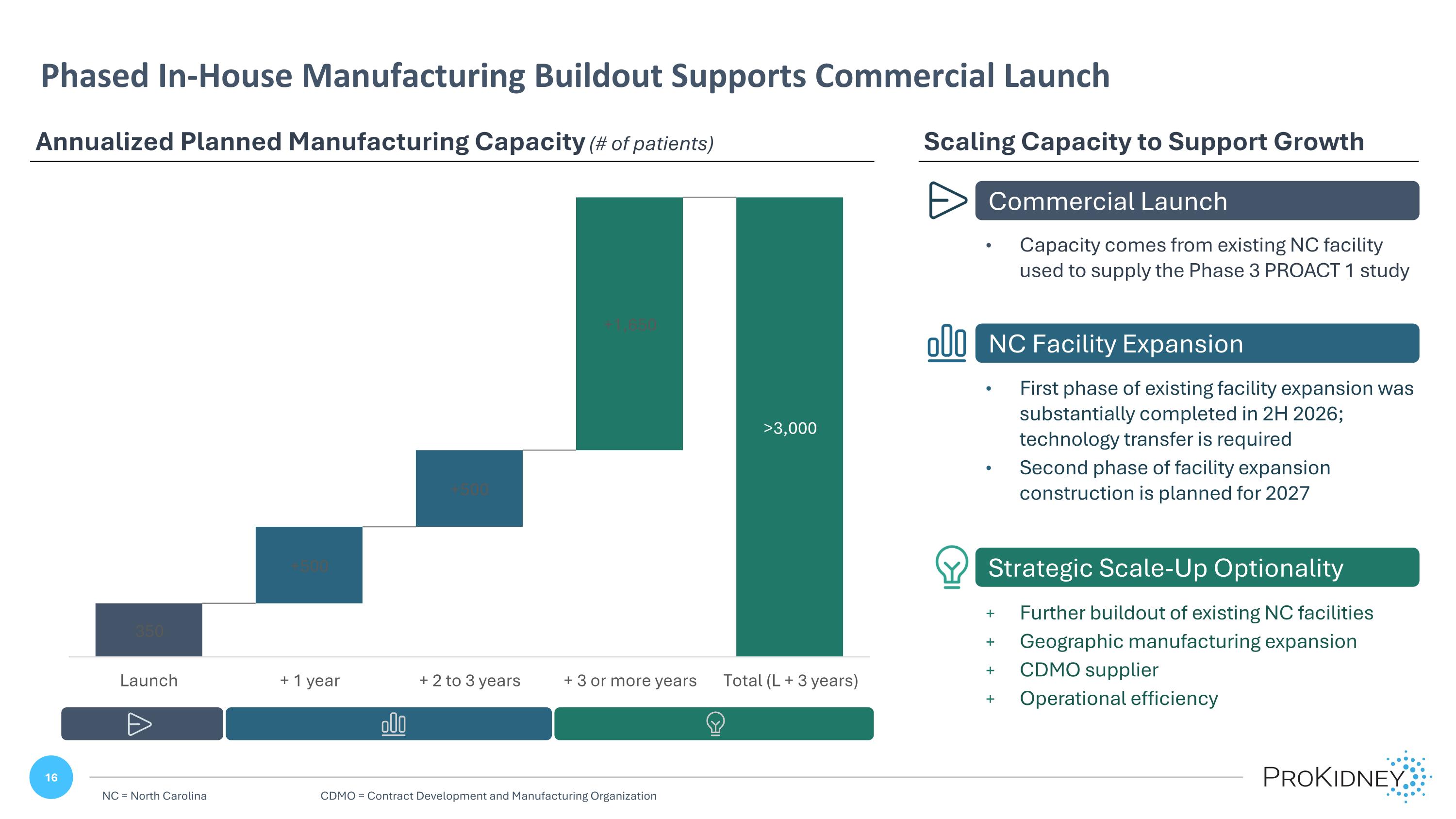
Phased In-House Manufacturing Buildout Supports Commercial Launch Capacity comes from existing NC facility used to supply the Phase 3 PROACT 1 study Annualized Planned Manufacturing Capacity (# of patients) Scaling Capacity to Support Growth Strategic Scale-Up Optionality NC Facility Expansion Commercial Launch First phase of existing facility expansion was substantially completed in 2H 2026; technology transfer is required Second phase of facility expansion construction is planned for 2027 Further buildout of existing NC facilities Geographic manufacturing expansion CDMO supplier Operational efficiency NC = North Carolina CDMO = Contract Development and Manufacturing Organization

ADVANCED CHRONIC KIDNEY DISEASE Commercial Opportunity and Planning
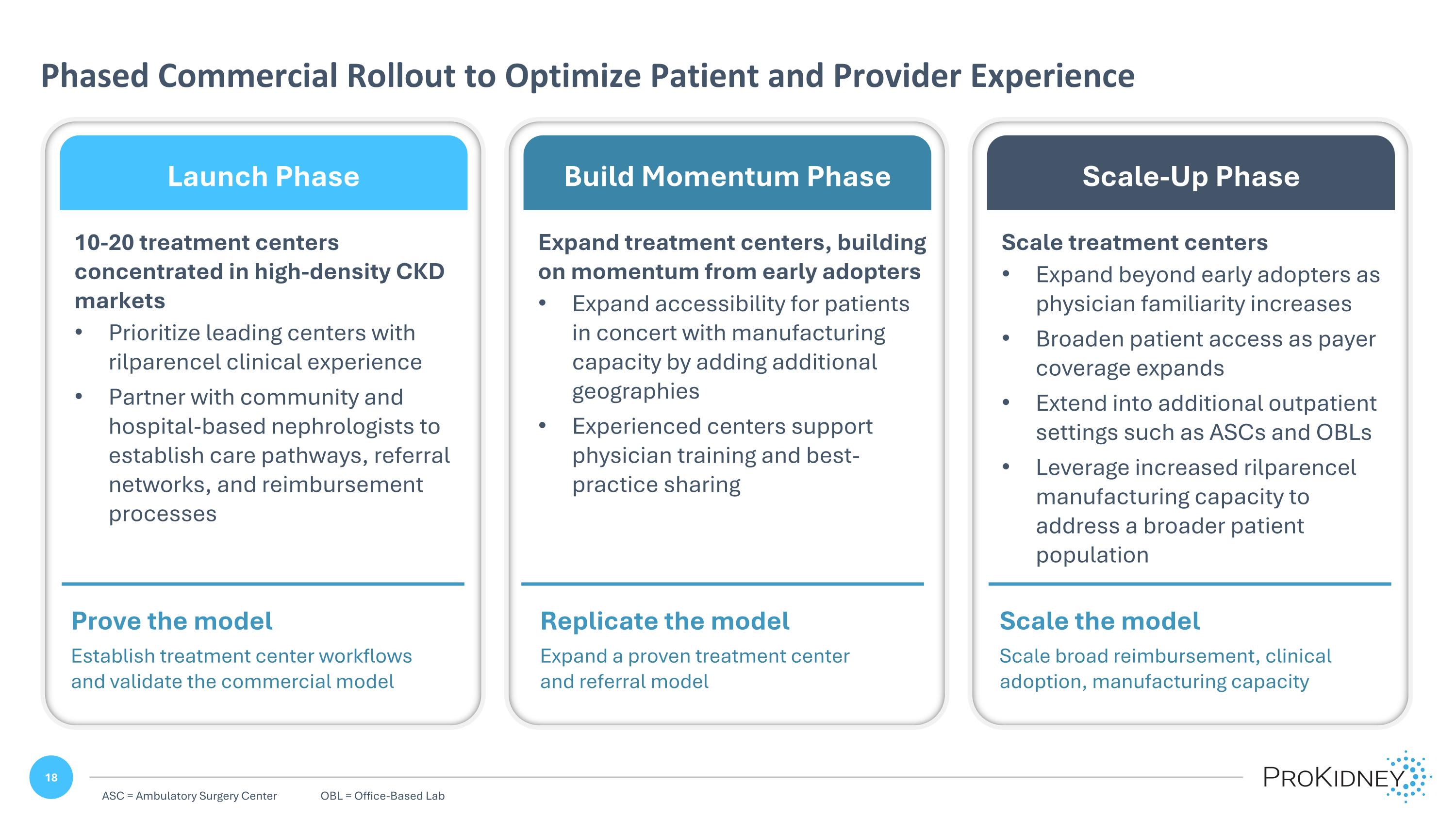
Phased Commercial Rollout to Optimize Patient and Provider Experience 10-20 treatment centers concentrated in high-density CKD markets Prioritize leading centers with rilparencel clinical experience Partner with community and hospital-based nephrologists to establish care pathways, referral networks, and reimbursement processes Launch Phase Expand treatment centers, building on momentum from early adopters Expand accessibility for patients in concert with manufacturing capacity by adding additional geographies Experienced centers support physician training and best-practice sharing Build Momentum Phase Scale treatment centers Expand beyond early adopters as physician familiarity increases Broaden patient access as payer coverage expands Extend into additional outpatient settings such as ASCs and OBLs Leverage increased rilparencel manufacturing capacity to address a broader patient population Scale-Up Phase Replicate the model Expand a proven treatment center and referral model Scale the model Scale broad reimbursement, clinical adoption, manufacturing capacity Prove the model Establish treatment center workflows and validate the commercial model ASC = Ambulatory Surgery Center OBL = Office-Based Lab
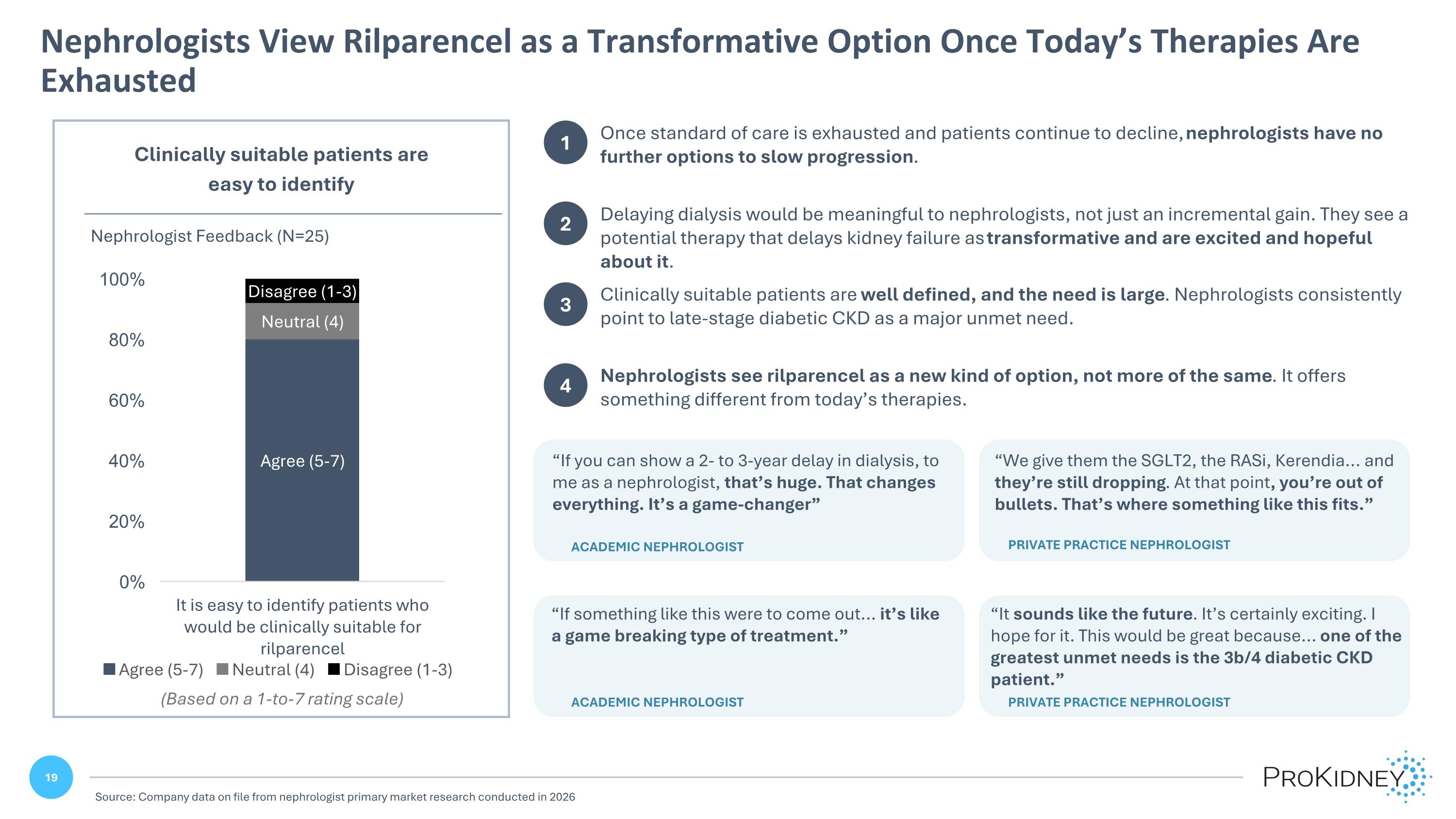
Nephrologists View Rilparencel as a Transformative Option Once Today’s Therapies Are Exhausted 1 Once standard of care is exhausted and patients continue to decline, nephrologists have no further options to slow progression. 2 Delaying dialysis would be meaningful to nephrologists, not just an incremental gain. They see a potential therapy that delays kidney failure as transformative and are excited and hopeful about it. 3 Clinically suitable patients are well defined, and the need is large. Nephrologists consistently point to late-stage diabetic CKD as a major unmet need. 4 Nephrologists see rilparencel as a new kind of option, not more of the same. It offers something different from today’s therapies. ACADEMIC NEPHROLOGIST “If you can show a 2- to 3-year delay in dialysis, to me as a nephrologist, that’s huge. That changes everything. It’s a game-changer” PRIVATE PRACTICE NEPHROLOGIST “We give them the SGLT2, the RASi, Kerendia... and they’re still dropping. At that point, you’re out of bullets. That’s where something like this fits.” ACADEMIC NEPHROLOGIST “If something like this were to come out... it’s like a game breaking type of treatment.” PRIVATE PRACTICE NEPHROLOGIST “It sounds like the future. It’s certainly exciting. I hope for it. This would be great because... one of the greatest unmet needs is the 3b/4 diabetic CKD patient.” Clinically suitable patients are easy to identify Source: Company data on file from nephrologist primary market research conducted in 2026 Nephrologist Feedback (N=25) (Based on a 1-to-7 rating scale)
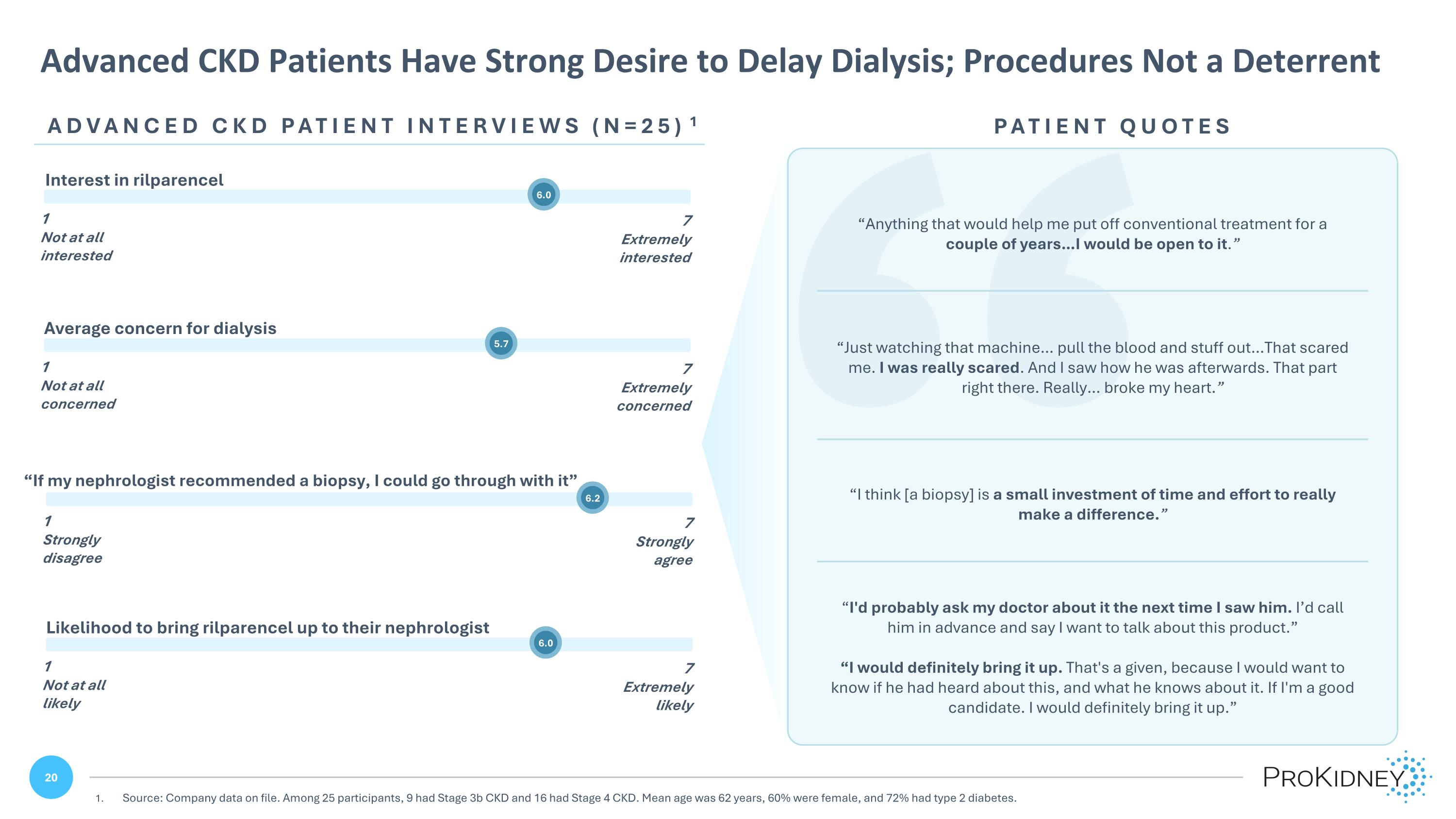
Advanced CKD Patients Have Strong Desire to Delay Dialysis; Procedures Not a Deterrent 7 Extremely interested 1 Not at all interested Interest in rilparencel 7 Strongly agree 1 Strongly disagree “If my nephrologist recommended a biopsy, I could go through with it” 7 Extremely likely 1 Not at all likely Likelihood to bring rilparencel up to their nephrologist PATIENT QUOTES 6.0 6.2 6.0 “I'd probably ask my doctor about it the next time I saw him. I’d call him in advance and say I want to talk about this product.” “I would definitely bring it up. That's a given, because I would want to know if he had heard about this, and what he knows about it. If I'm a good candidate. I would definitely bring it up.” “Anything that would help me put off conventional treatment for a couple of years…I would be open to it.” “I think [a biopsy] is a small investment of time and effort to really make a difference.” ADVANCED CKD PATIENT INTERVIEWS (N=25)1 Source: Company data on file. Among 25 participants, 9 had Stage 3b CKD and 16 had Stage 4 CKD. Mean age was 62 years, 60% were female, and 72% had type 2 diabetes. 5.7 7 Extremely concerned 1 Not at all concerned Average concern for dialysis “Just watching that machine… pull the blood and stuff out…That scared me. I was really scared. And I saw how he was afterwards. That part right there. Really… broke my heart.”
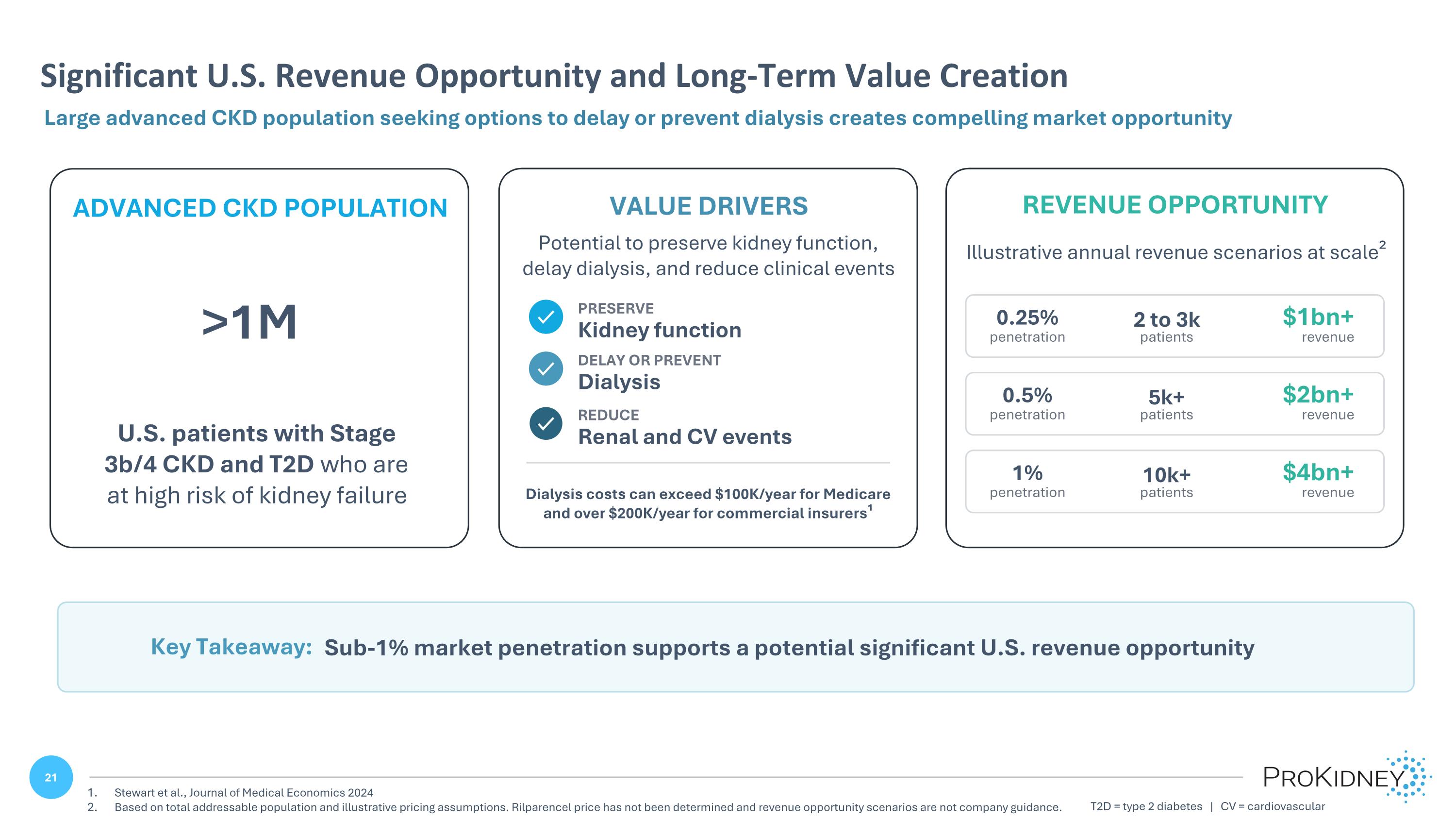
Significant U.S. Revenue Opportunity and Long-Term Value Creation Large advanced CKD population seeking options to delay or prevent dialysis creates compelling market opportunity ADVANCED CKD POPULATION VALUE DRIVERS REVENUE OPPORTUNITY >1M U.S. patients with Stage 3b/4 CKD and T2D who are at high risk of kidney failure Potential to preserve kidney function, delay dialysis, and reduce clinical events ✓ PRESERVE Kidney function ✓ DELAY OR PREVENT Dialysis ✓ REDUCE Renal and CV events Dialysis costs can exceed $100K/year for Medicare and over $200K/year for commercial insurers¹ Illustrative annual revenue scenarios at scale² 0.25% penetration 2 to 3k patients $1bn+ revenue 0.5% penetration 5k+ patients $2bn+ revenue 1% penetration 10k+ patients $4bn+ revenue T2D = type 2 diabetes | CV = cardiovascular Key Takeaway: Sub-1% market penetration supports a potential significant U.S. revenue opportunity Stewart et al., Journal of Medical Economics 2024 Based on total addressable population and illustrative pricing assumptions. Rilparencel price has not been determined and revenue opportunity scenarios are not company guidance.

RILPARENCEL NONCLINICAL RESULTS Mechanism of Action
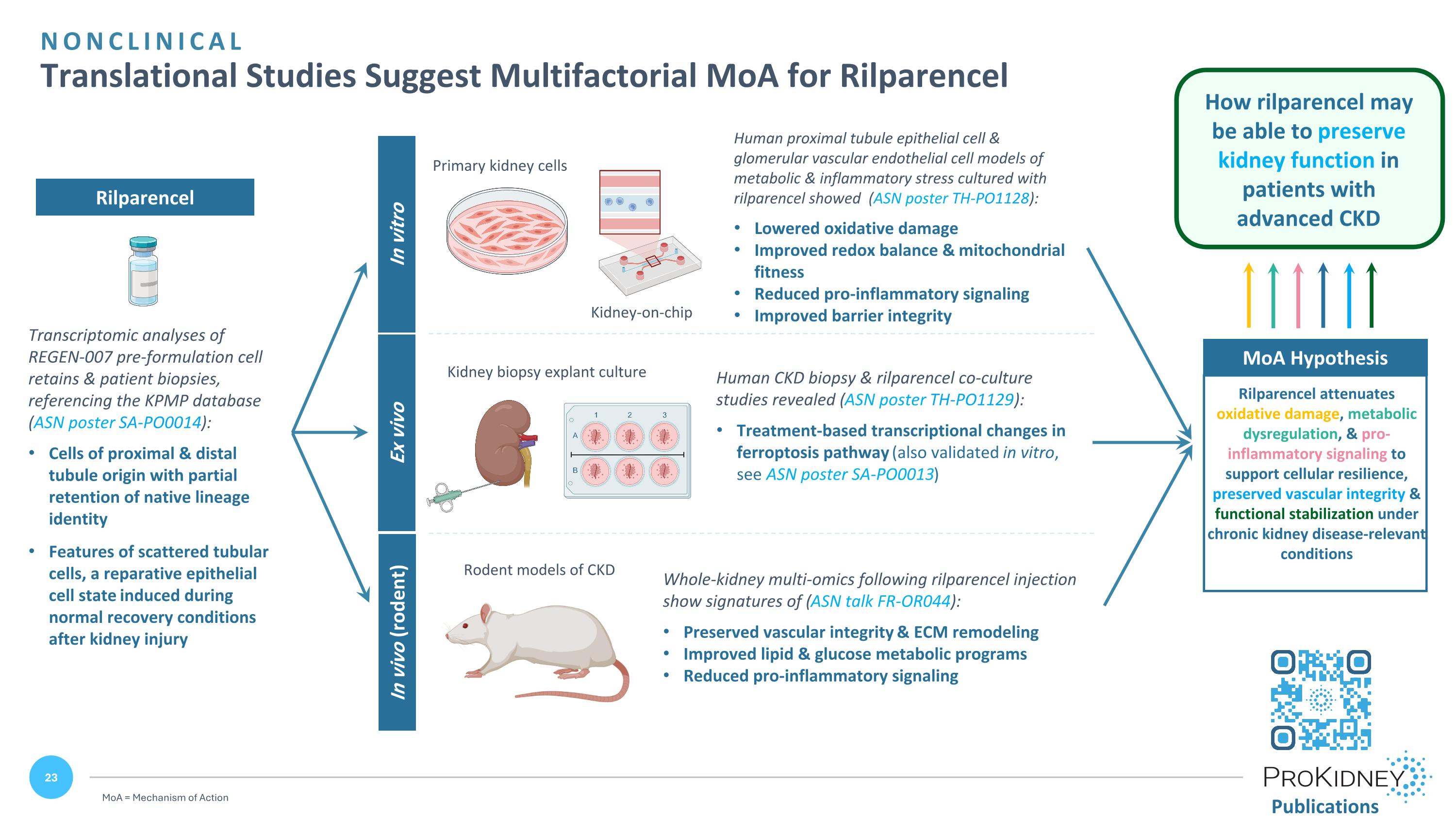
NONCLINICAL�Translational Studies Suggest Multifactorial MoA for Rilparencel Whole-kidney multi-omics following rilparencel injection show signatures of (ASN talk FR-OR044): Preserved vascular integrity & ECM remodeling Improved lipid & glucose metabolic programs Reduced pro-inflammatory signaling Human CKD biopsy & rilparencel co-culture studies revealed (ASN poster TH-PO1129): Treatment-based transcriptional changes in ferroptosis pathway (also validated in vitro, see ASN poster SA-PO0013) MoA Hypothesis Rilparencel attenuates oxidative damage, metabolic dysregulation, & pro-inflammatory signaling to support cellular resilience, preserved vascular integrity & functional stabilization under chronic kidney disease-relevant conditions Publications Human proximal tubule epithelial cell & glomerular vascular endothelial cell models of metabolic & inflammatory stress cultured with rilparencel showed (ASN poster TH-PO1128): Lowered oxidative damage Improved redox balance & mitochondrial fitness Reduced pro-inflammatory signaling Improved barrier integrity How rilparencel may be able to preserve kidney function in patients with advanced CKD MoA = Mechanism of Action Rilparencel Transcriptomic analyses of REGEN-007 pre-formulation cell retains & patient biopsies, referencing the KPMP database�(ASN poster SA-PO0014): Cells of proximal & distal tubule origin with partial retention of native lineage identity Features of scattered tubular cells, a reparative epithelial cell state induced during normal recovery conditions after kidney injury Primary kidney cells Kidney-on-chip Kidney biopsy explant culture Rodent models of CKD In vitro Ex vivo In vivo (rodent)
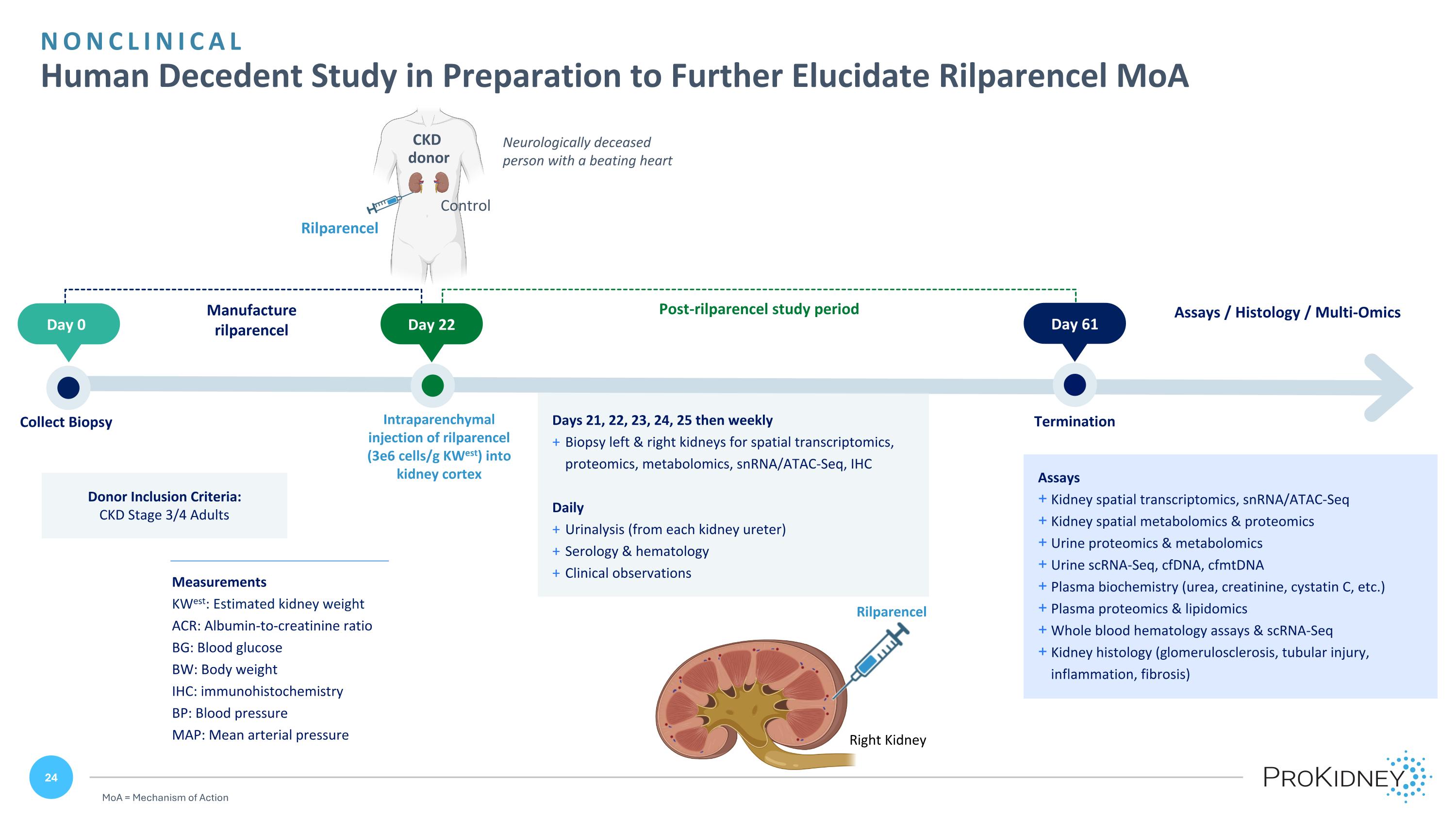
Day 22 Intraparenchymal injection of rilparencel (3e6 cells/g KWest) into kidney cortex Day 61 Termination Manufacture rilparencel Post-rilparencel study period Assays Kidney spatial transcriptomics, snRNA/ATAC-Seq Kidney spatial metabolomics & proteomics Urine proteomics & metabolomics Urine scRNA-Seq, cfDNA, cfmtDNA Plasma biochemistry (urea, creatinine, cystatin C, etc.) Plasma proteomics & lipidomics Whole blood hematology assays & scRNA-Seq Kidney histology (glomerulosclerosis, tubular injury, inflammation, fibrosis) Collect Biopsy Donor Inclusion Criteria: CKD Stage 3/4 Adults Measurements KWest: Estimated kidney weight ACR: Albumin-to-creatinine ratio BG: Blood glucose BW: Body weight�IHC: immunohistochemistry BP: Blood pressure MAP: Mean arterial pressure Days 21, 22, 23, 24, 25 then weekly Biopsy left & right kidneys for spatial transcriptomics, proteomics, metabolomics, snRNA/ATAC-Seq, IHC Daily Urinalysis (from each kidney ureter) Serology & hematology Clinical observations Neurologically deceased person with a beating heart Rilparencel CKD donor Control Rilparencel Right Kidney Assays / Histology / Multi-Omics Day 0 NONCLINICAL�Human Decedent Study in Preparation to Further Elucidate Rilparencel MoA MoA = Mechanism of Action

RILPARENCEL CLINICAL DEVELOPMENT Preserving eGFR in Patients with Advanced CKD and Diabetes
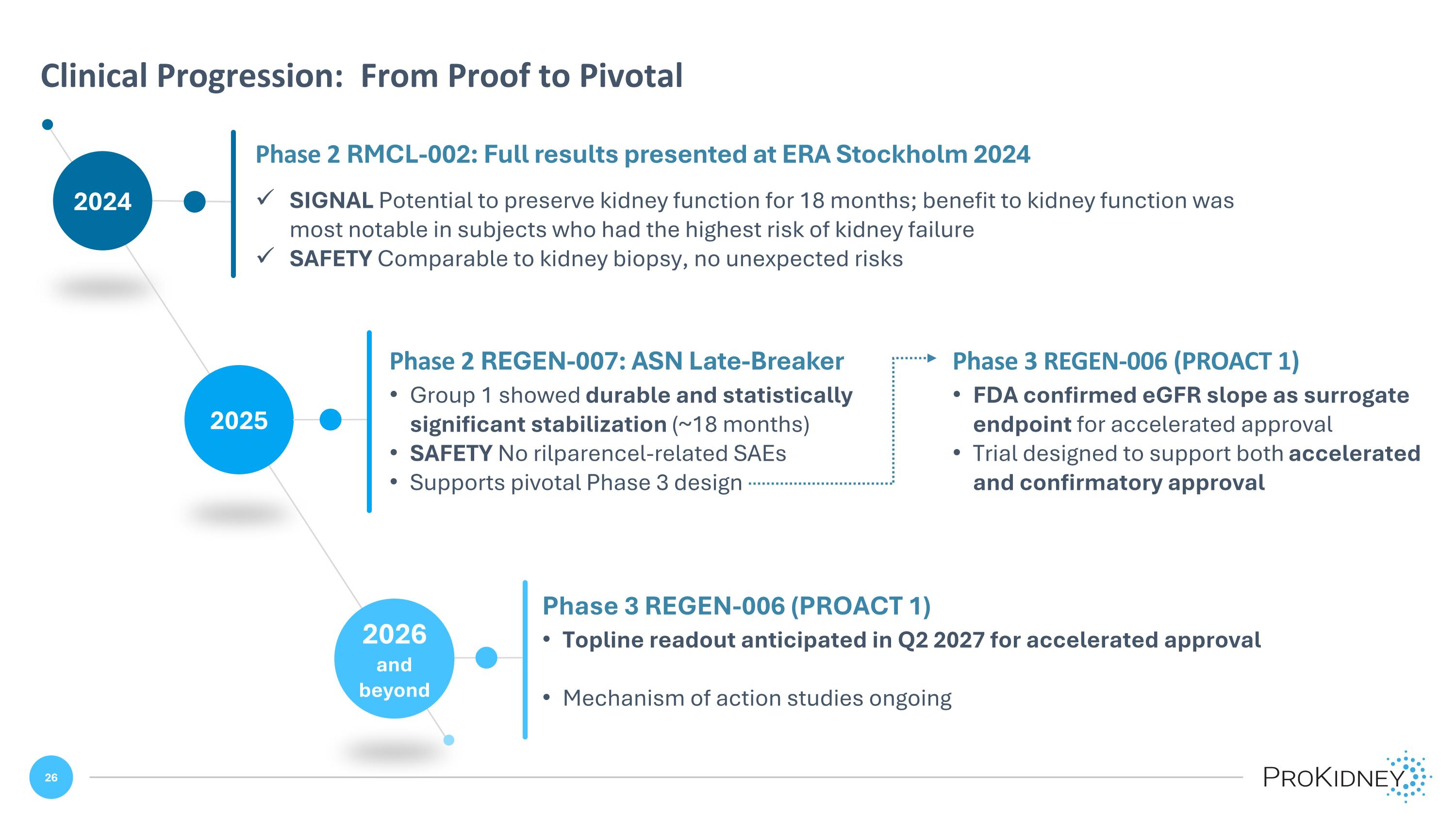
2024 Clinical Progression: From Proof to Pivotal Phase 2 RMCL-002: Full results presented at ERA Stockholm 2024 SIGNAL Potential to preserve kidney function for 18 months; benefit to kidney function was most notable in subjects who had the highest risk of kidney failure SAFETY Comparable to kidney biopsy, no unexpected risks 2026 and beyond 2025 Phase 2 REGEN-007: ASN Late-Breaker Group 1 showed durable and statistically significant stabilization (~18 months) SAFETY No rilparencel-related SAEs Supports pivotal Phase 3 design Phase 3 REGEN-006 (PROACT 1) FDA confirmed eGFR slope as surrogate endpoint for accelerated approval Trial designed to support both accelerated and confirmatory approval Phase 3 REGEN-006 (PROACT 1) Topline readout anticipated in Q2 2027 for accelerated approval Mechanism of action studies ongoing
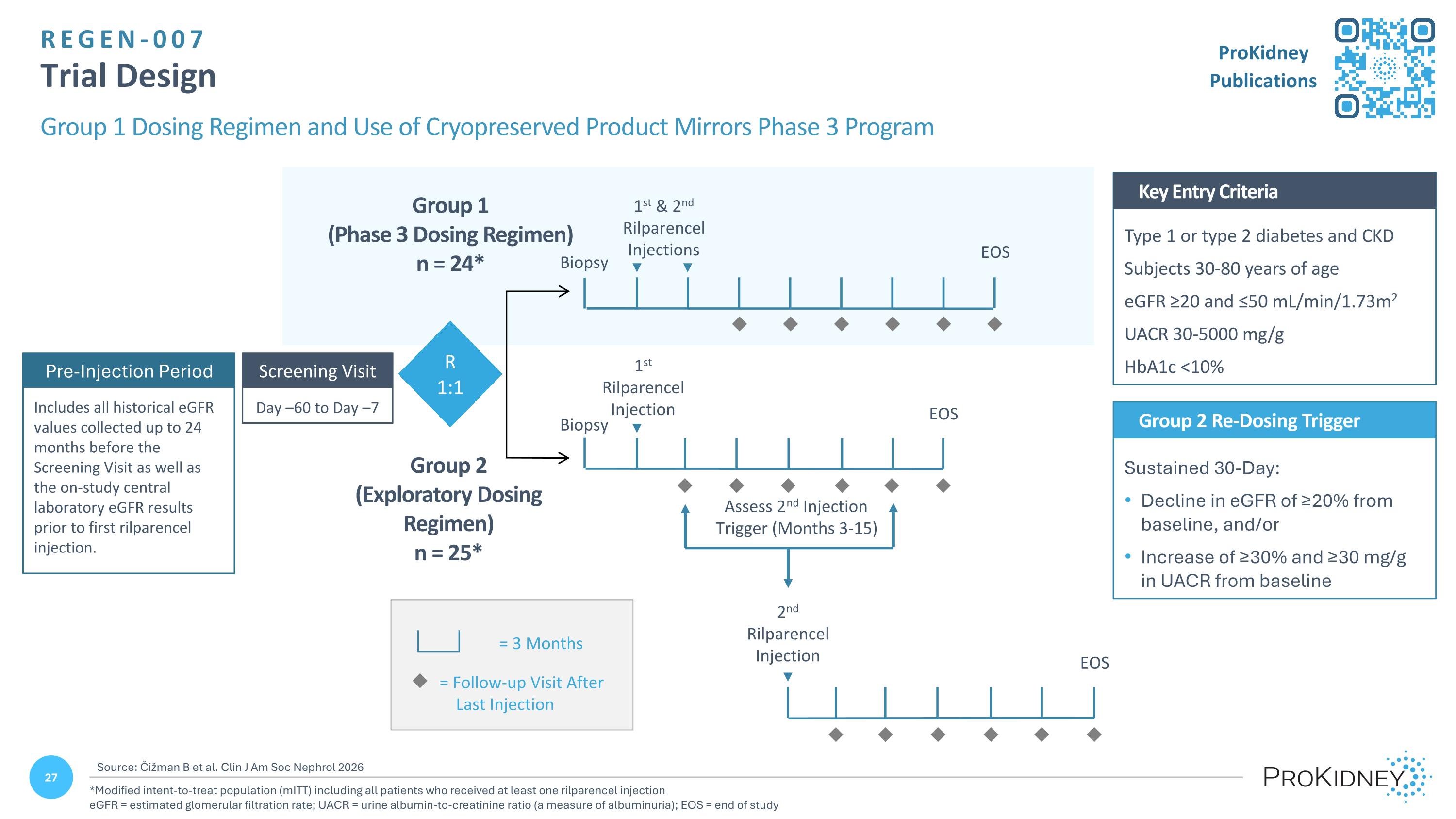
REGEN-007 �Trial Design Group 1 Dosing Regimen and Use of Cryopreserved Product Mirrors Phase 3 Program Type 1 or type 2 diabetes and CKD Subjects 30-80 years of age eGFR ≥20 and ≤50 mL/min/1.73m2 UACR 30-5000 mg/g HbA1c <10% Key Entry Criteria Day –60 to Day –7 Screening Visit u = Follow-up Visit After Last Injection = 3 Months Group 2 Re-Dosing Trigger Sustained 30-Day: Decline in eGFR of ≥20% from baseline, and/or Increase of ≥30% and ≥30 mg/g in UACR from baseline 2nd Rilparencel Injection Assess 2nd Injection Trigger (Months 3-15) Group 2 (Exploratory Dosing Regimen) n = 25* R 1:1 1st & 2nd Rilparencel Injections EOS Group 1 (Phase 3 Dosing Regimen) n = 24* EOS 1st Rilparencel Injection u u u u u u u u u u u u u u u u u u EOS Biopsy Biopsy Pre-Injection Period Includes all historical eGFR values collected up to 24 months before the Screening Visit as well as the on-study central laboratory eGFR results prior to first rilparencel injection. *Modified intent-to-treat population (mITT) including all patients who received at least one rilparencel injection eGFR = estimated glomerular filtration rate; UACR = urine albumin-to-creatinine ratio (a measure of albuminuria); EOS = end of study Source: Čižman B et al. Clin J Am Soc Nephrol 2026 ProKidney Publications
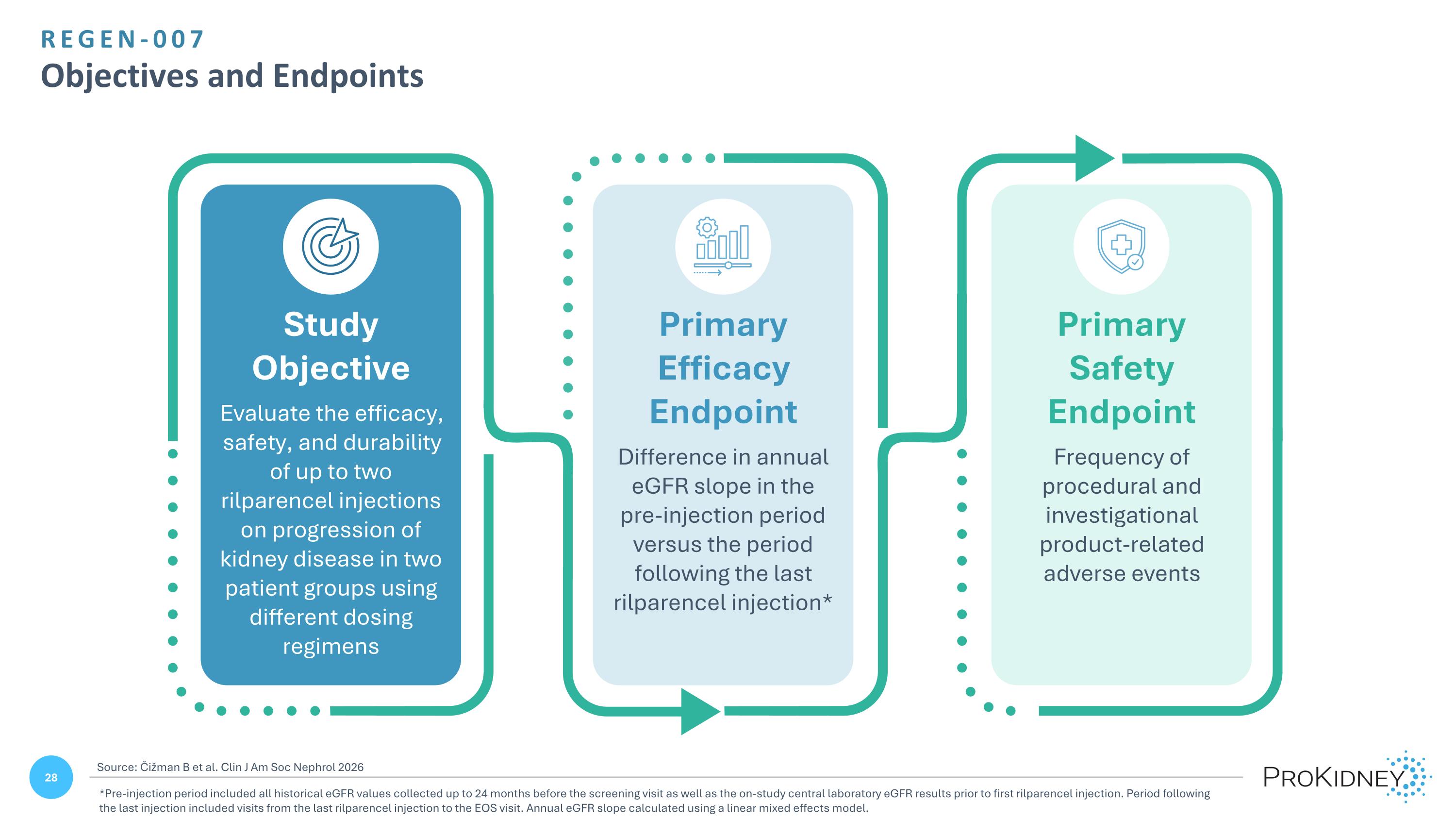
Study Objective Evaluate the efficacy, safety, and durability of up to two rilparencel injections on progression of kidney disease in two patient groups using different dosing regimens Primary Efficacy Endpoint Difference in annual eGFR slope in the pre-injection period versus the period following the last rilparencel injection* Primary Safety Endpoint Frequency of procedural and investigational product-related adverse events *Pre-injection period included all historical eGFR values collected up to 24 months before the screening visit as well as the on-study central laboratory eGFR results prior to first rilparencel injection. Period following the last injection included visits from the last rilparencel injection to the EOS visit. Annual eGFR slope calculated using a linear mixed effects model. Source: Čižman B et al. Clin J Am Soc Nephrol 2026 REGEN-007 �Objectives and Endpoints
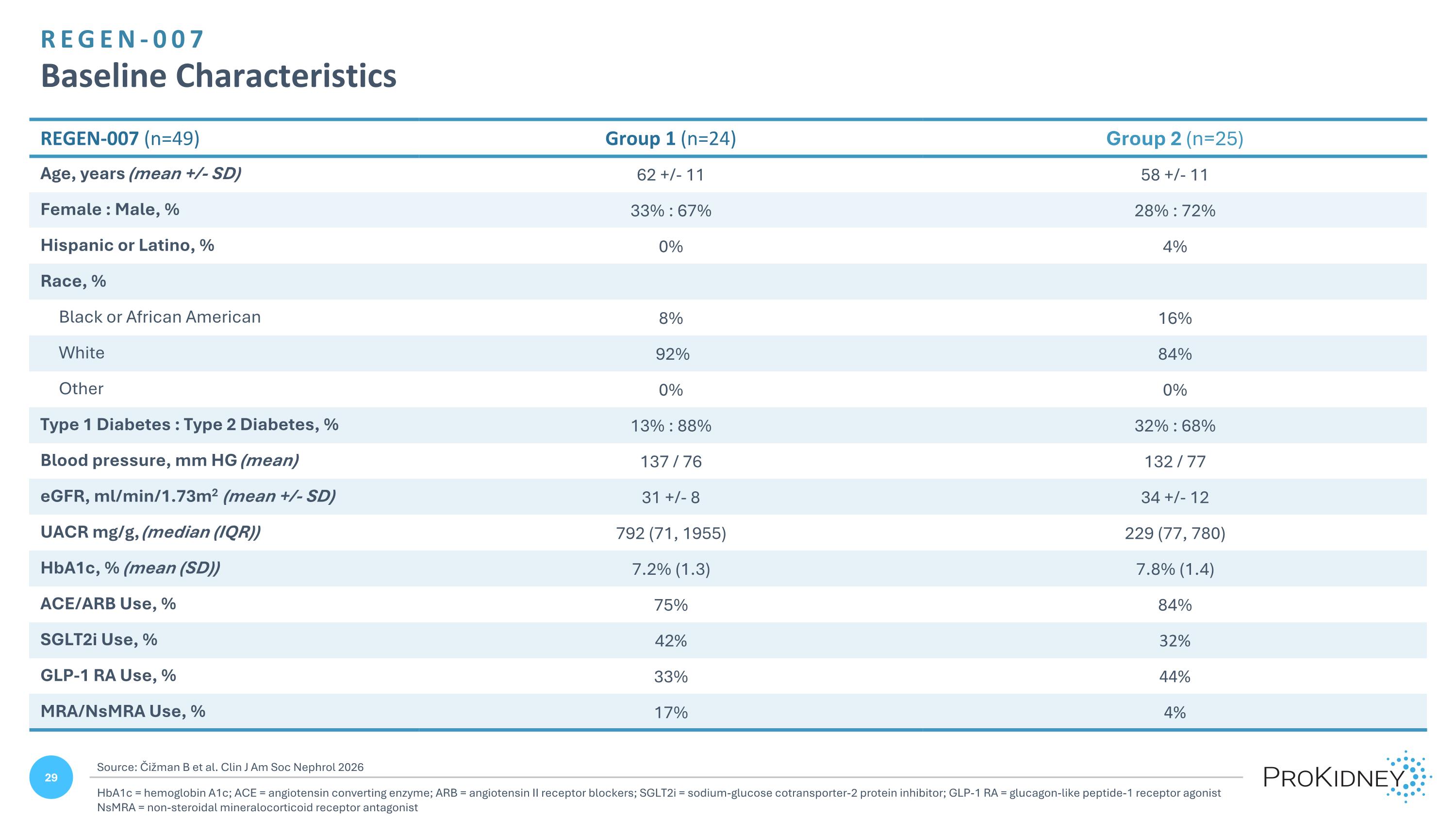
REGEN-007 �Baseline Characteristics REGEN-007 (n=49) Group 1 (n=24) Group 2 (n=25) Age, years (mean +/- SD) 62 +/- 11 58 +/- 11 Female : Male, % 33% : 67% 28% : 72% Hispanic or Latino, % 0% 4% Race, % Black or African American 8% 16% White 92% 84% Other 0% 0% Type 1 Diabetes : Type 2 Diabetes, % 13% : 88% 32% : 68% Blood pressure, mm HG (mean) 137 / 76 132 / 77 eGFR, ml/min/1.73m2 (mean +/- SD) 31 +/- 8 34 +/- 12 UACR mg/g, (median (IQR)) 792 (71, 1955) 229 (77, 780) HbA1c, % (mean (SD)) 7.2% (1.3) 7.8% (1.4) ACE/ARB Use, % 75% 84% SGLT2i Use, % 42% 32% GLP-1 RA Use, % 33% 44% MRA/NsMRA Use, % 17% 4% HbA1c = hemoglobin A1c; ACE = angiotensin converting enzyme; ARB = angiotensin II receptor blockers; SGLT2i = sodium-glucose cotransporter-2 protein inhibitor; GLP-1 RA = glucagon-like peptide-1 receptor agonist NsMRA = non-steroidal mineralocorticoid receptor antagonist Source: Čižman B et al. Clin J Am Soc Nephrol 2026
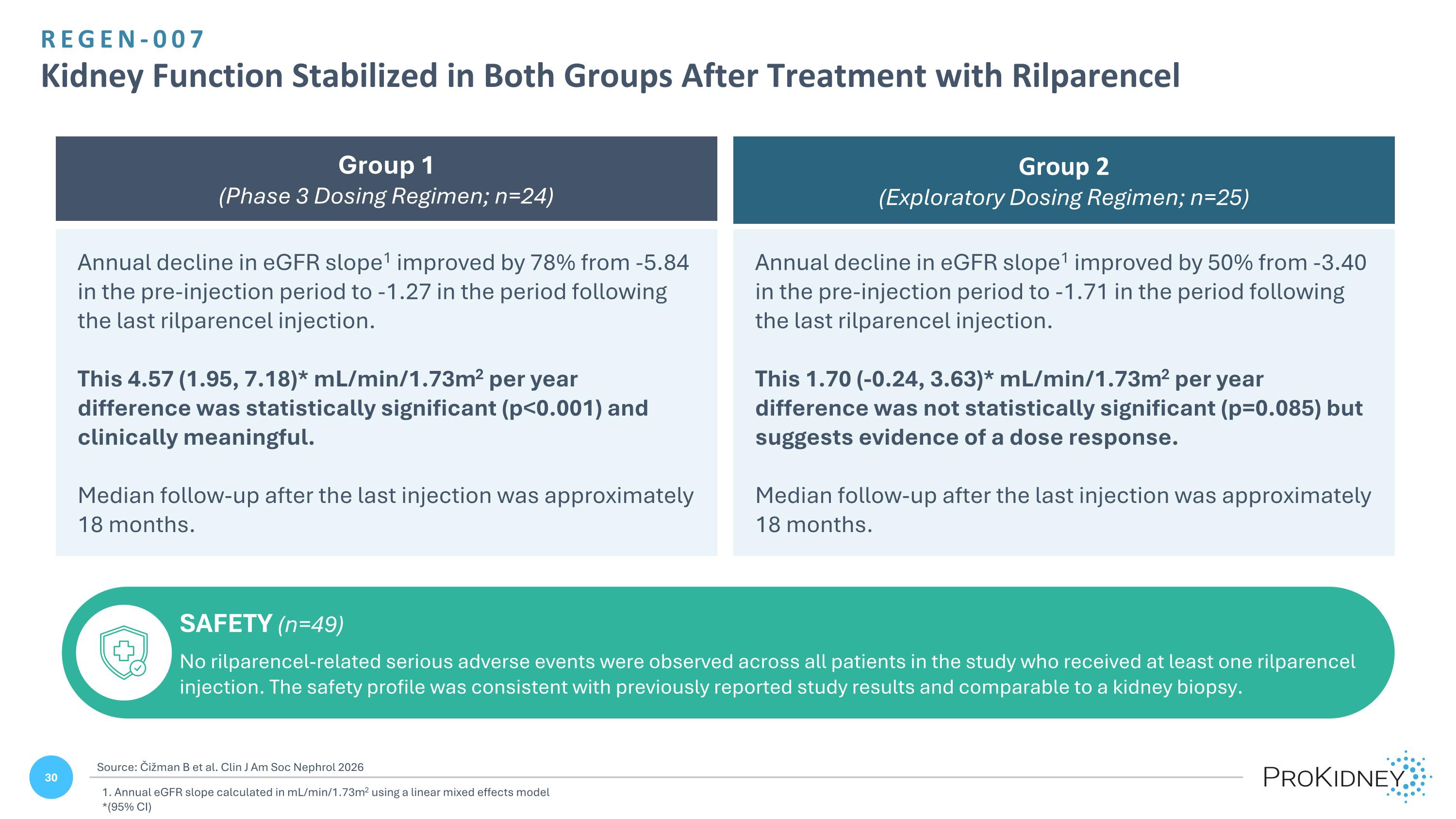
REGEN-007 �Kidney Function Stabilized in Both Groups After Treatment with Rilparencel Annual decline in eGFR slope1 improved by 78% from -5.84 in the pre-injection period to -1.27 in the period following the last rilparencel injection. This 4.57 (1.95, 7.18)* mL/min/1.73m2 per year difference was statistically significant (p<0.001) and clinically meaningful. Median follow-up after the last injection was approximately 18 months. Annual decline in eGFR slope1 improved by 50% from -3.40 in the pre-injection period to -1.71 in the period following the last rilparencel injection. This 1.70 (-0.24, 3.63)* mL/min/1.73m2 per year difference was not statistically significant (p=0.085) but suggests evidence of a dose response. Median follow-up after the last injection was approximately 18 months. Group 1 (Phase 3 Dosing Regimen; n=24) Group 2 (Exploratory Dosing Regimen; n=25) SAFETY (n=49) No rilparencel-related serious adverse events were observed across all patients in the study who received at least one rilparencel injection. The safety profile was consistent with previously reported study results and comparable to a kidney biopsy. 1. Annual eGFR slope calculated in mL/min/1.73m2 using a linear mixed effects model *(95% CI) Source: Čižman B et al. Clin J Am Soc Nephrol 2026
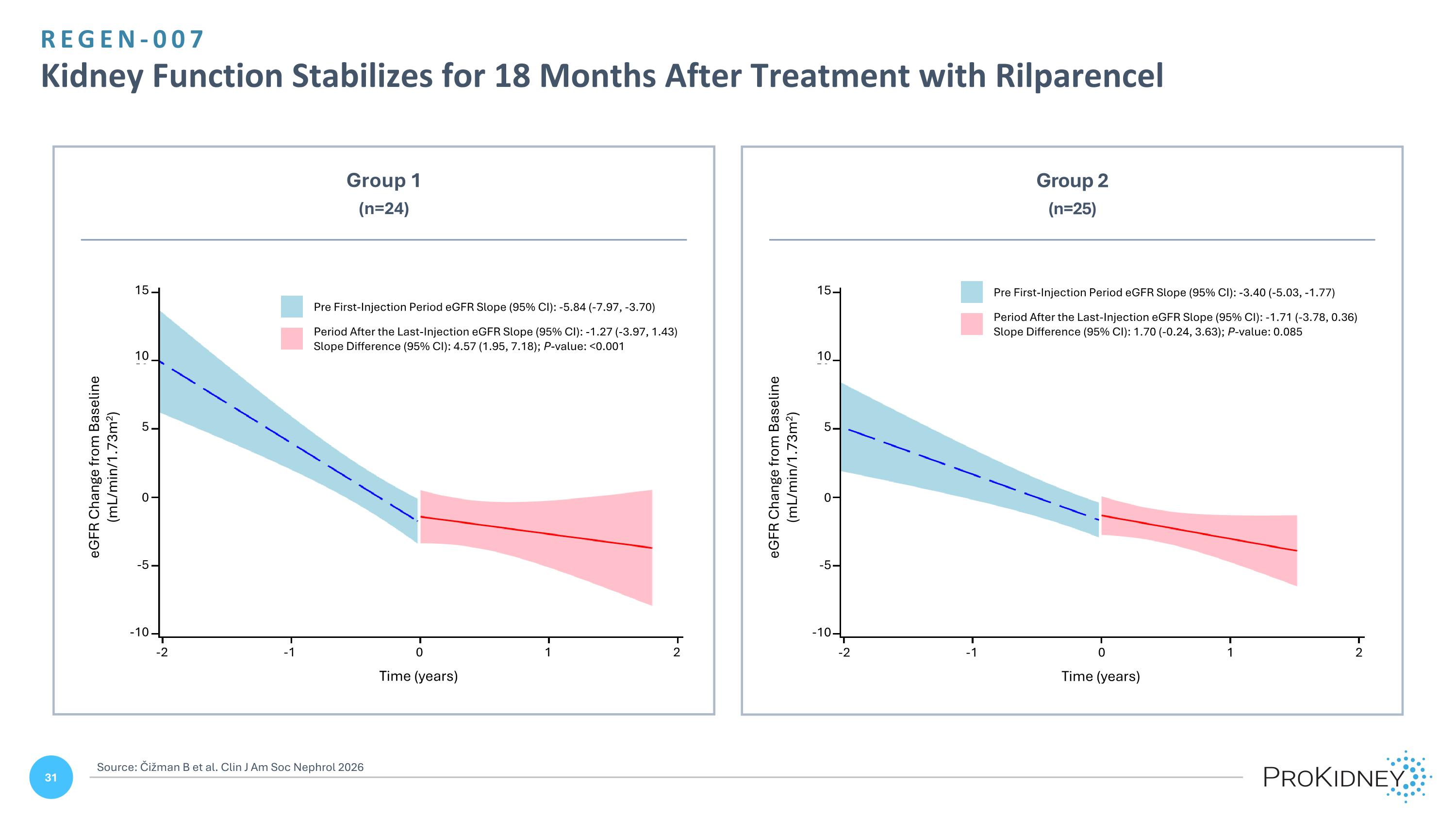
REGEN-007 �Kidney Function Stabilizes for 18 Months After Treatment with Rilparencel 15 10 5 0 -5 -10 -2 -1 0 1 2 Time (years) eGFR Change from Baseline�(mL/min/1.73m2) Group 1 (n=24) Group 2 (n=25) 15 10 5 0 -5 -10 -2 -1 0 1 2 Time (years) eGFR Change from Baseline�(mL/min/1.73m2) Pre First-Injection Period eGFR Slope (95% CI): -5.84 (-7.97, -3.70) Period After the Last-Injection eGFR Slope (95% CI): -1.27 (-3.97, 1.43)�Slope Difference (95% CI): 4.57 (1.95, 7.18); P-value: <0.001 Pre First-Injection Period eGFR Slope (95% CI): -3.40 (-5.03, -1.77) Period After the Last-Injection eGFR Slope (95% CI): -1.71 (-3.78, 0.36)�Slope Difference (95% CI): 1.70 (-0.24, 3.63); P-value: 0.085 Source: Čižman B et al. Clin J Am Soc Nephrol 2026
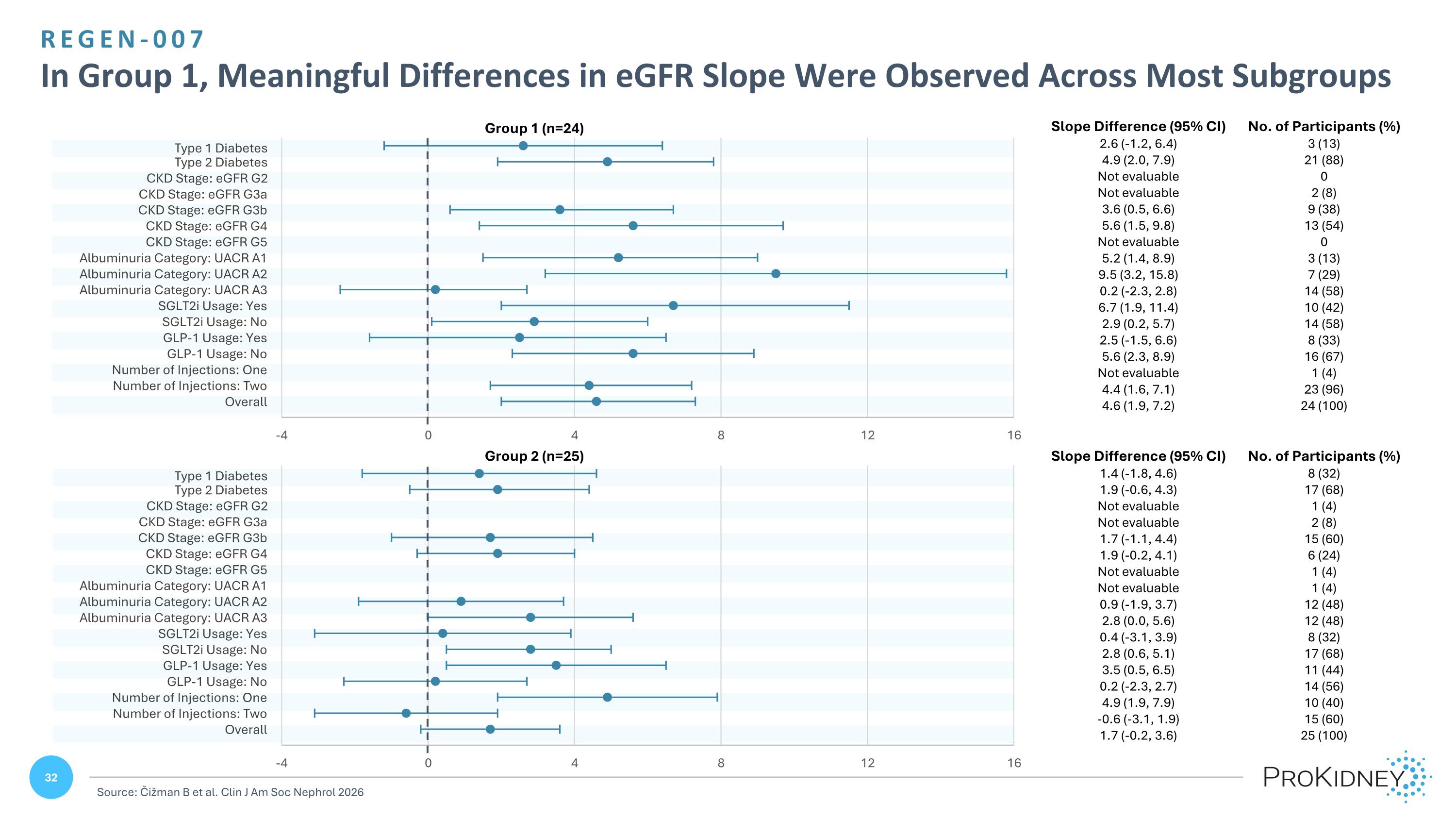
Group 1 (n=24) Group 2 (n=25) Slope Difference (95% CI) No. of Participants (%) 2.6 (-1.2, 6.4) 3 (13) 4.9 (2.0, 7.9) 21 (88) Not evaluable 0 Not evaluable 2 (8) 3.6 (0.5, 6.6) 9 (38) 5.6 (1.5, 9.8) 13 (54) Not evaluable 0 5.2 (1.4, 8.9) 3 (13) 9.5 (3.2, 15.8) 7 (29) 0.2 (-2.3, 2.8) 14 (58) 6.7 (1.9, 11.4) 10 (42) 2.9 (0.2, 5.7) 14 (58) 2.5 (-1.5, 6.6) 8 (33) 5.6 (2.3, 8.9) 16 (67) Not evaluable 1 (4) 4.4 (1.6, 7.1) 23 (96) 4.6 (1.9, 7.2) 24 (100) Slope Difference (95% CI) No. of Participants (%) 1.4 (-1.8, 4.6) 8 (32) 1.9 (-0.6, 4.3) 17 (68) Not evaluable 1 (4) Not evaluable 2 (8) 1.7 (-1.1, 4.4) 15 (60) 1.9 (-0.2, 4.1) 6 (24) Not evaluable 1 (4) Not evaluable 1 (4) 0.9 (-1.9, 3.7) 12 (48) 2.8 (0.0, 5.6) 12 (48) 0.4 (-3.1, 3.9) 8 (32) 2.8 (0.6, 5.1) 17 (68) 3.5 (0.5, 6.5) 11 (44) 0.2 (-2.3, 2.7) 14 (56) 4.9 (1.9, 7.9) 10 (40) -0.6 (-3.1, 1.9) 15 (60) 1.7 (-0.2, 3.6) 25 (100) REGEN-007 �In Group 1, Meaningful Differences in eGFR Slope Were Observed Across Most Subgroups Source: Čižman B et al. Clin J Am Soc Nephrol 2026
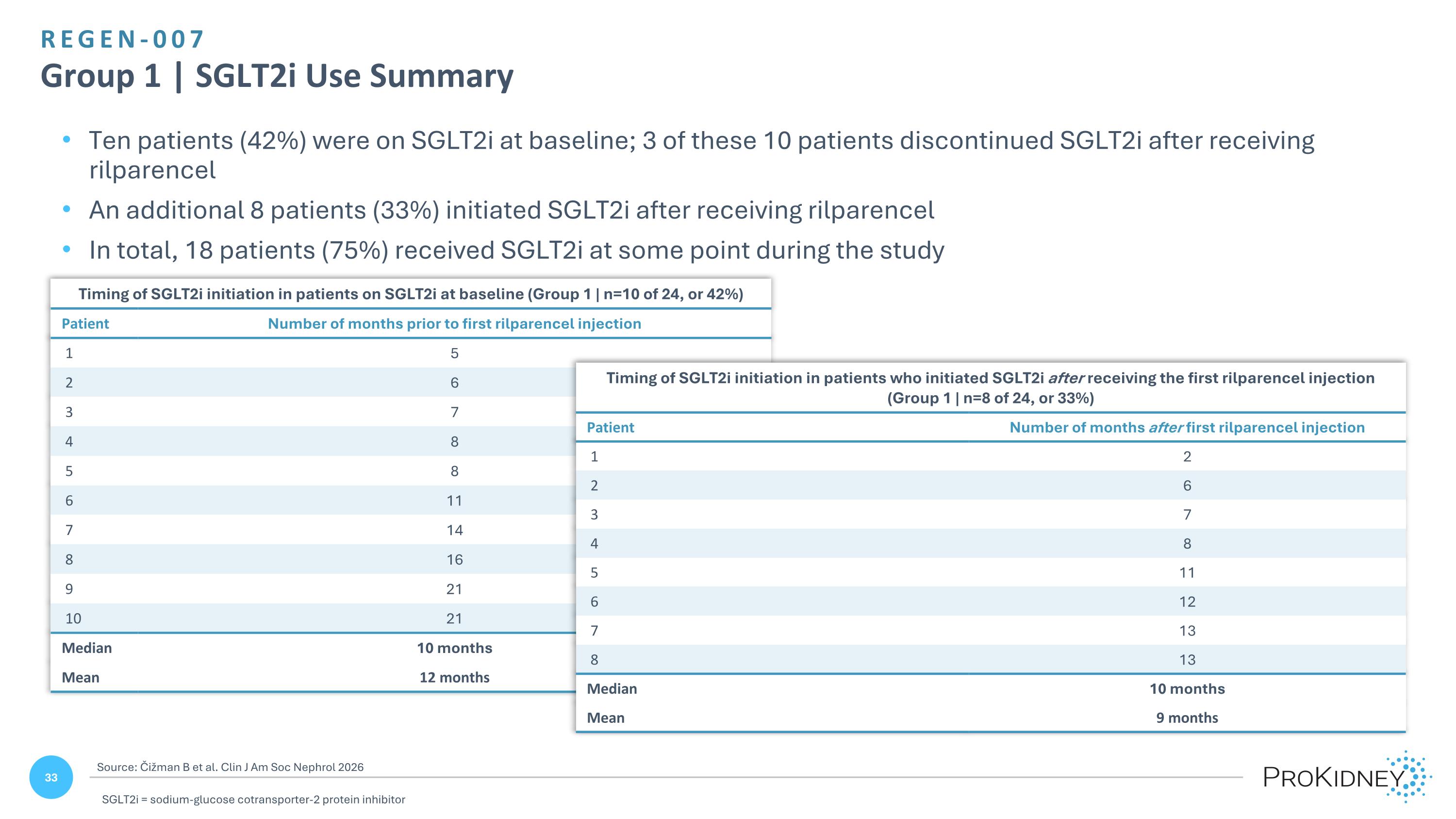
REGEN-007 �Group 1 | SGLT2i Use Summary Ten patients (42%) were on SGLT2i at baseline; 3 of these 10 patients discontinued SGLT2i after receiving rilparencel An additional 8 patients (33%) initiated SGLT2i after receiving rilparencel In total, 18 patients (75%) received SGLT2i at some point during the study Timing of SGLT2i initiation in patients on SGLT2i at baseline (Group 1 | n=10 of 24, or 42%) Patient Number of months prior to first rilparencel injection 1 5 2 6 3 7 4 8 5 8 6 11 7 14 8 16 9 21 10 21 Median 10 months Mean 12 months Timing of SGLT2i initiation in patients who initiated SGLT2i after receiving the first rilparencel injection (Group 1 | n=8 of 24, or 33%) Patient Number of months after first rilparencel injection 1 2 2 6 3 7 4 8 5 11 6 12 7 13 8 13 Median 10 months Mean 9 months SGLT2i = sodium-glucose cotransporter-2 protein inhibitor Source: Čižman B et al. Clin J Am Soc Nephrol 2026
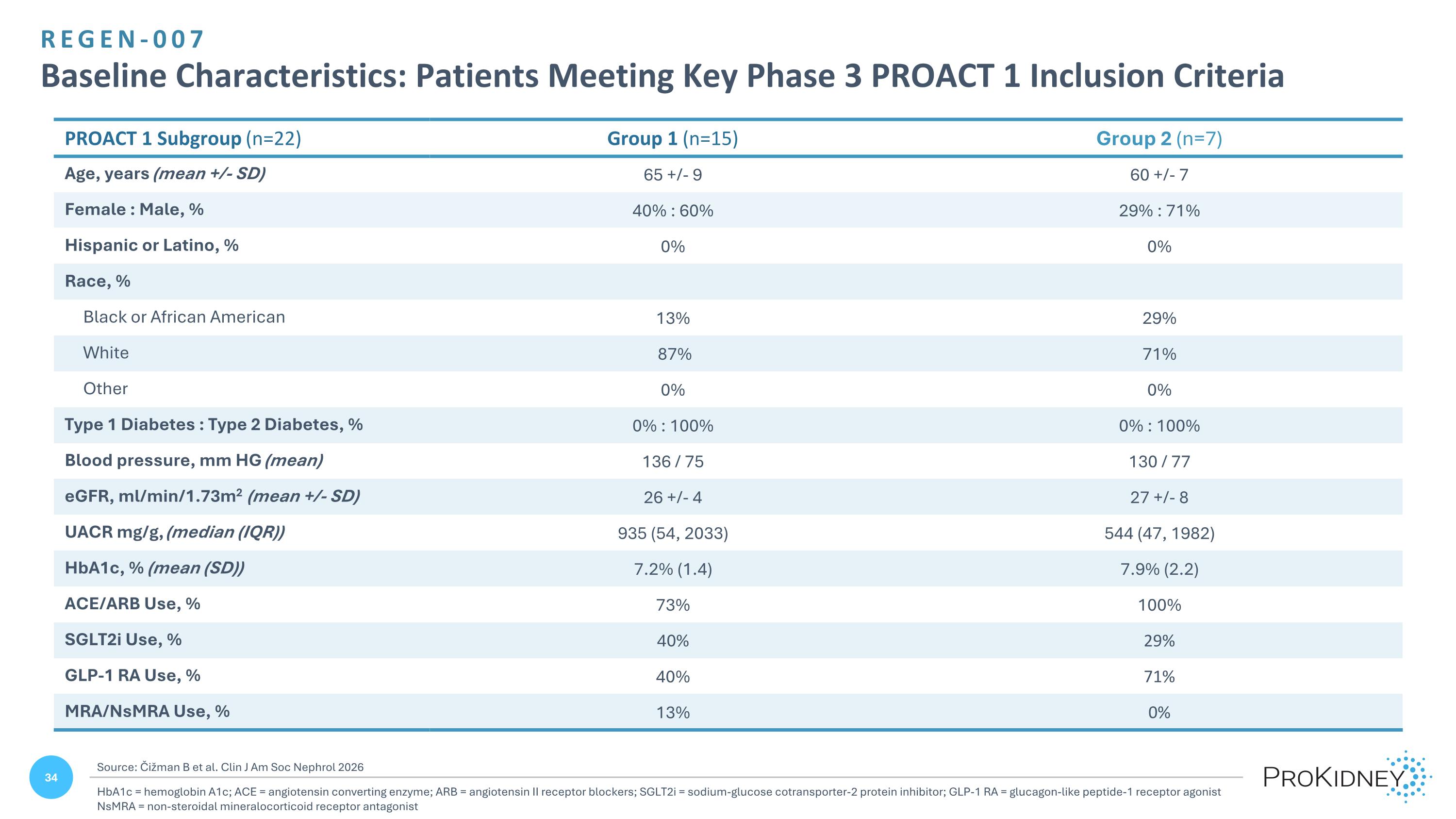
REGEN-007 �Baseline Characteristics: Patients Meeting Key Phase 3 PROACT 1 Inclusion Criteria HbA1c = hemoglobin A1c; ACE = angiotensin converting enzyme; ARB = angiotensin II receptor blockers; SGLT2i = sodium-glucose cotransporter-2 protein inhibitor; GLP-1 RA = glucagon-like peptide-1 receptor agonist NsMRA = non-steroidal mineralocorticoid receptor antagonist PROACT 1 Subgroup (n=22) Group 1 (n=15) Group 2 (n=7) Age, years (mean +/- SD) 65 +/- 9 60 +/- 7 Female : Male, % 40% : 60% 29% : 71% Hispanic or Latino, % 0% 0% Race, % Black or African American 13% 29% White 87% 71% Other 0% 0% Type 1 Diabetes : Type 2 Diabetes, % 0% : 100% 0% : 100% Blood pressure, mm HG (mean) 136 / 75 130 / 77 eGFR, ml/min/1.73m2 (mean +/- SD) 26 +/- 4 27 +/- 8 UACR mg/g, (median (IQR)) 935 (54, 2033) 544 (47, 1982) HbA1c, % (mean (SD)) 7.2% (1.4) 7.9% (2.2) ACE/ARB Use, % 73% 100% SGLT2i Use, % 40% 29% GLP-1 RA Use, % 40% 71% MRA/NsMRA Use, % 13% 0% Source: Čižman B et al. Clin J Am Soc Nephrol 2026
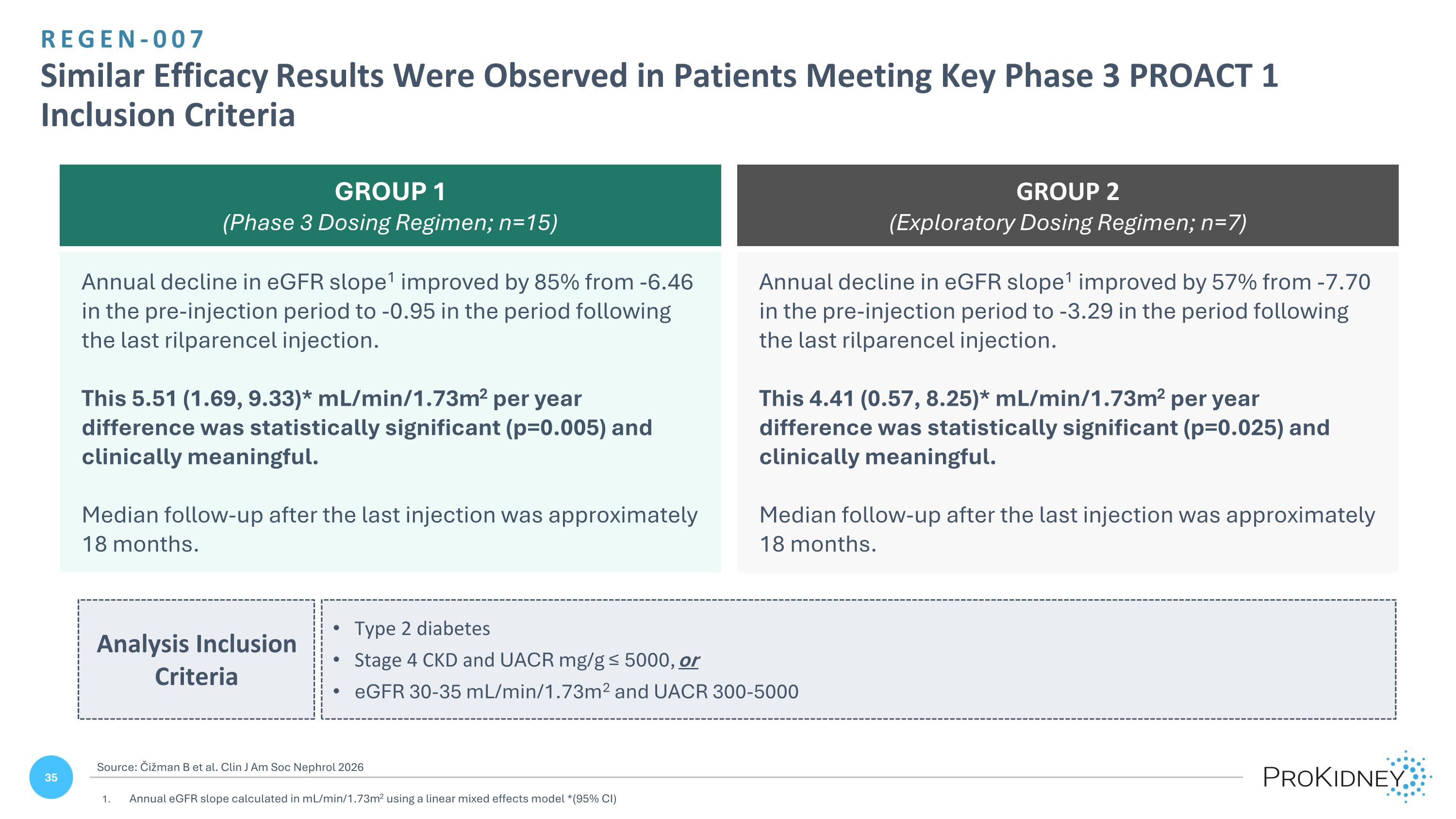
REGEN-007 �Similar Efficacy Results Were Observed in Patients Meeting Key Phase 3 PROACT 1 Inclusion Criteria Annual eGFR slope calculated in mL/min/1.73m2 using a linear mixed effects model *(95% CI) Annual decline in eGFR slope1 improved by 85% from -6.46 in the pre-injection period to -0.95 in the period following the last rilparencel injection. This 5.51 (1.69, 9.33)* mL/min/1.73m2 per year difference was statistically significant (p=0.005) and clinically meaningful. Median follow-up after the last injection was approximately 18 months. Annual decline in eGFR slope1 improved by 57% from -7.70 in the pre-injection period to -3.29 in the period following the last rilparencel injection. This 4.41 (0.57, 8.25)* mL/min/1.73m2 per year difference was statistically significant (p=0.025) and clinically meaningful. Median follow-up after the last injection was approximately 18 months. GROUP 1 (Phase 3 Dosing Regimen; n=15) GROUP 2 (Exploratory Dosing Regimen; n=7) Analysis Inclusion Criteria Type 2 diabetes Stage 4 CKD and UACR mg/g ≤ 5000, or eGFR 30-35 mL/min/1.73m2 and UACR 300-5000 Source: Čižman B et al. Clin J Am Soc Nephrol 2026
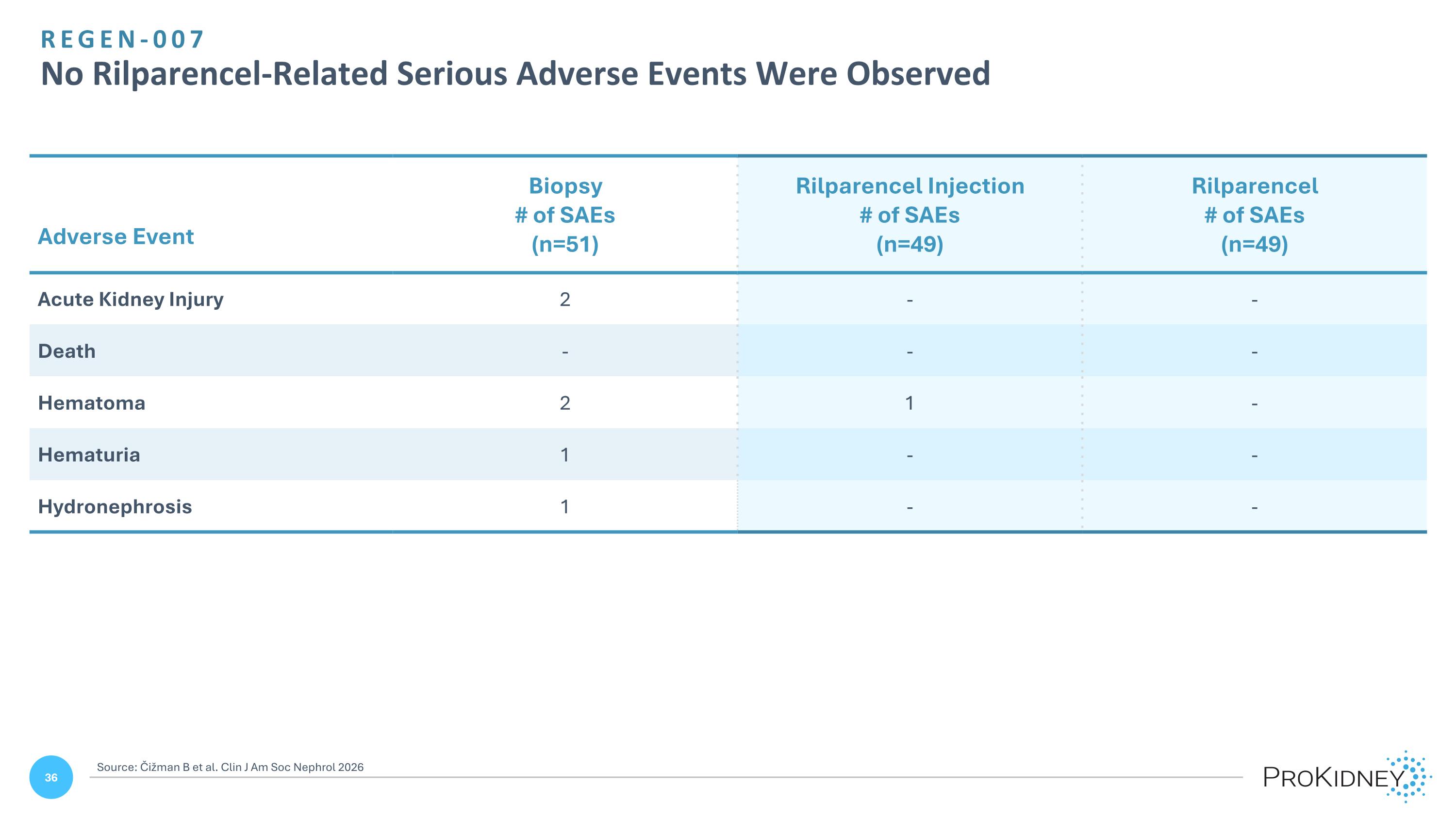
Adverse Event Biopsy # of SAEs (n=51) Rilparencel Injection # of SAEs (n=49) Rilparencel # of SAEs (n=49) Acute Kidney Injury 2 - - Death - - - Hematoma 2 1 - Hematuria 1 - - Hydronephrosis 1 - - REGEN-007�No Rilparencel-Related Serious Adverse Events Were Observed Source: Čižman B et al. Clin J Am Soc Nephrol 2026

EXECUTING WITH STRENGTH Corporate Snapshot
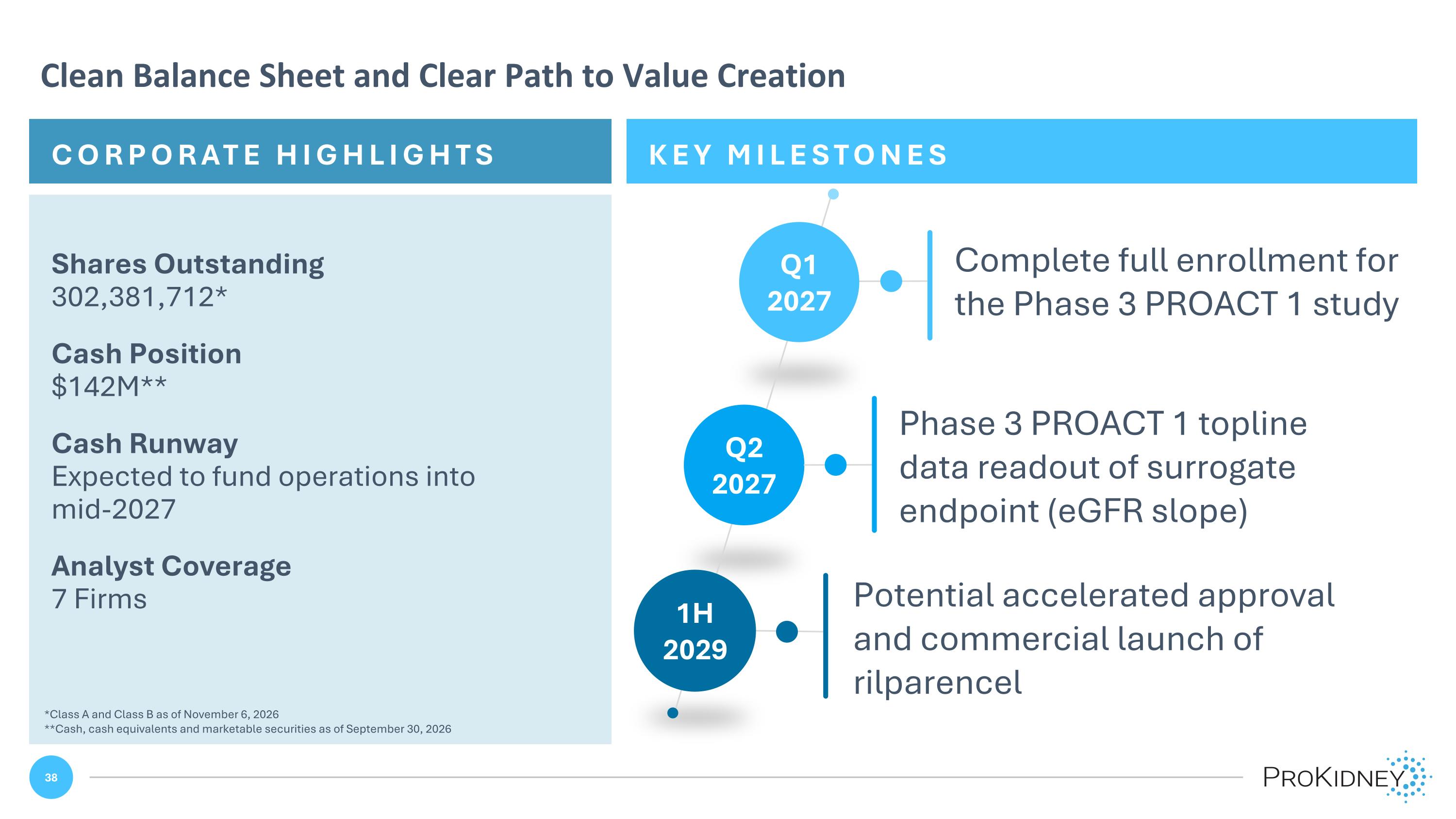
KEY MILESTONES CORPORATE HIGHLIGHTS Clean Balance Sheet and Clear Path to Value Creation Shares Outstanding 302,381,712* Cash Position �$142M** Cash Runway �Expected to fund operations into mid-2027 Analyst Coverage �7 Firms 1H 2029 Q1 2027 Q2 2027 Complete full enrollment for the Phase 3 PROACT 1 study Phase 3 PROACT 1 topline data readout of surrogate endpoint (eGFR slope) Potential accelerated approval and commercial launch of rilparencel *Class A and Class B as of November 6, 2026 **Cash, cash equivalents and marketable securities as of September 30, 2026
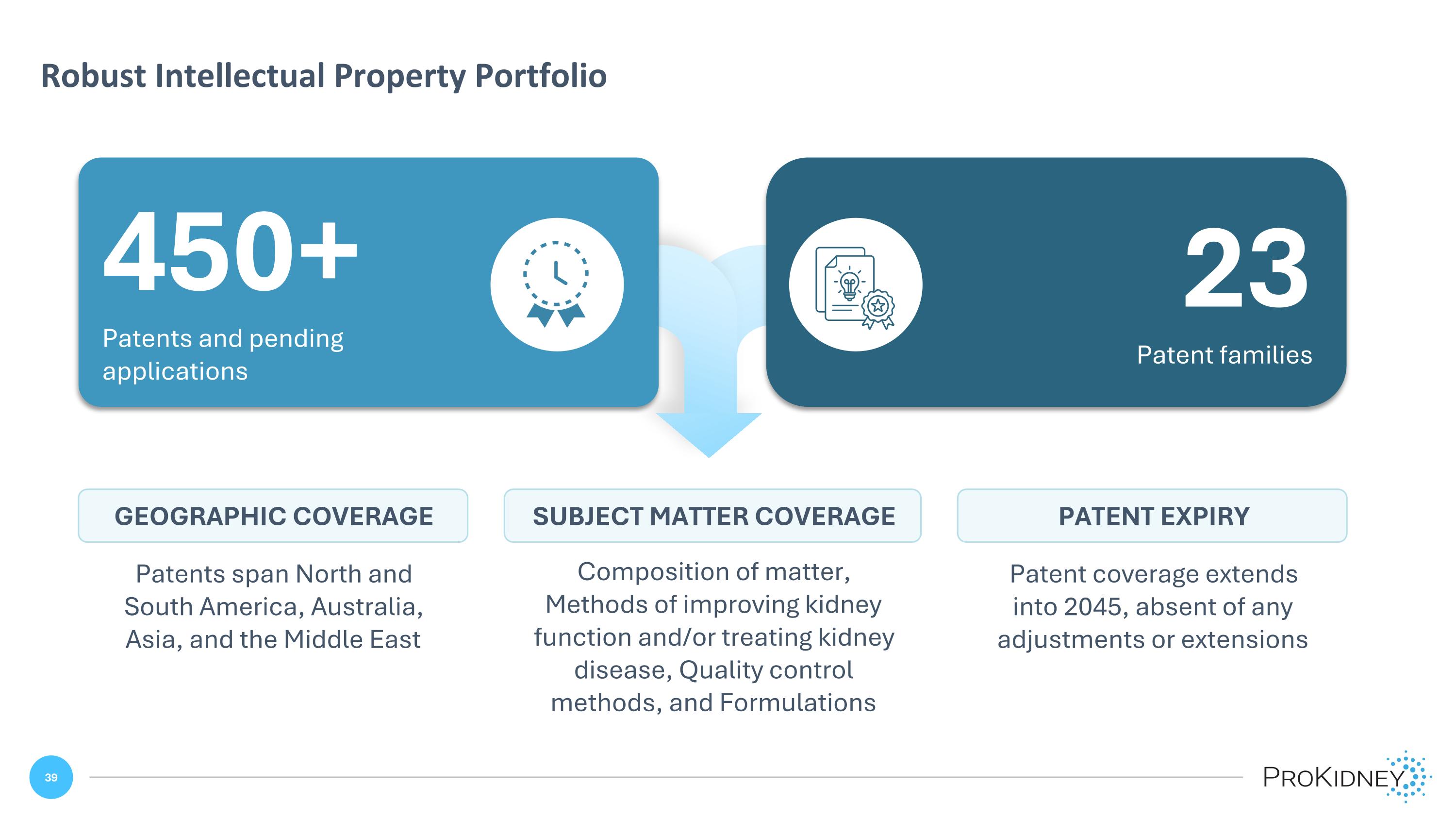
Robust Intellectual Property Portfolio 450+ �Patents and pending applications GEOGRAPHIC COVERAGE Patents span North and South America, Australia, Asia, and the Middle East SUBJECT MATTER COVERAGE PATENT EXPIRY Composition of matter, Methods of improving kidney function and/or treating kidney disease, Quality control methods, and Formulations Patent coverage extends into 2045, absent of any adjustments or extensions 23�Patent families

Patients Want More Time We are building a future where advanced CKD treatment means more options and more hope